Our time · war
Gulf War
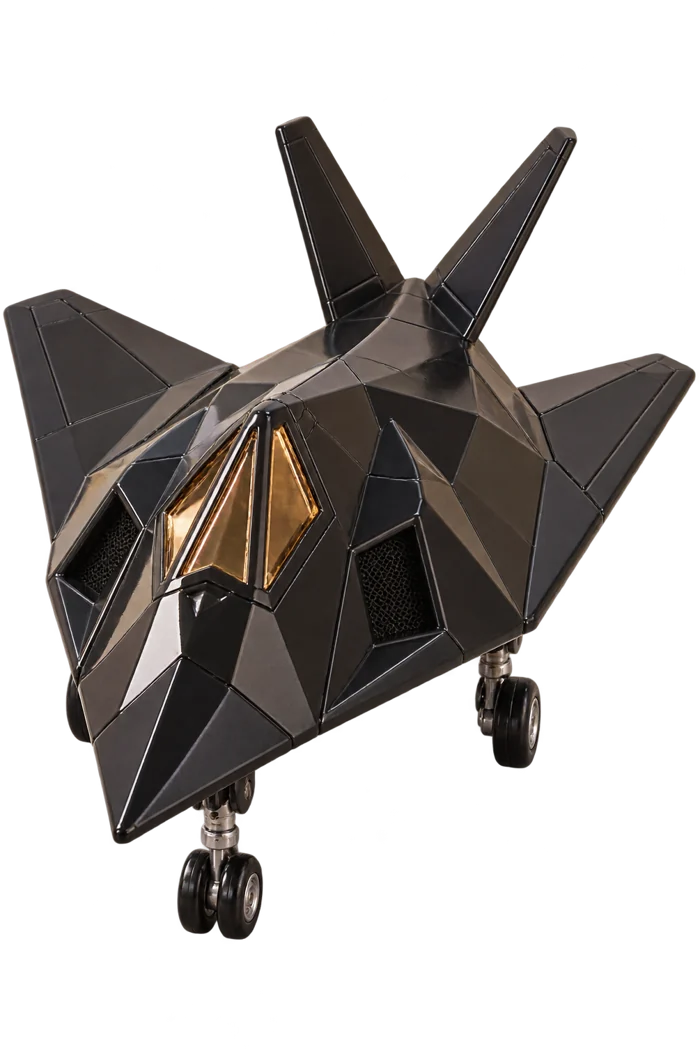
For the first time, people at home watched a war live on television, including footage filmed by cameras on board the attacking aircraft.
Iraq came out of its eight-year war with Iran deep in debt. Saddam Hussein accused Kuwait of pumping too much oil, which kept prices low, and of slant-drilling across the border into Iraq's Rumaila oil field. On 2 August 1990 the Iraqi army invaded Kuwait and attacked the emir's Dasman Palace. The UN Security Council demanded Iraq's withdrawal the same day and imposed a total embargo four days later.
A coalition of 42 countries, the broadest military alliance since the Second World War, gathered in Saudi Arabia in Operation Desert Shield. Its largest contributors were the United States, Saudi Arabia, the United Kingdom and Egypt. The UN gave Iraq until 15 January 1991 to leave. Two days after the deadline, on 17 January, Operation Desert Storm opened with five weeks of air and naval bombardment. Iraq fired Scud missiles at Israel and Saudi Arabia, hoping to split the Arab states from the coalition, but it held. On 24 February the ground offensive rolled into Kuwait and southern Iraq, and within 100 hours the coalition declared a ceasefire. Kuwait was liberated on 28 February.
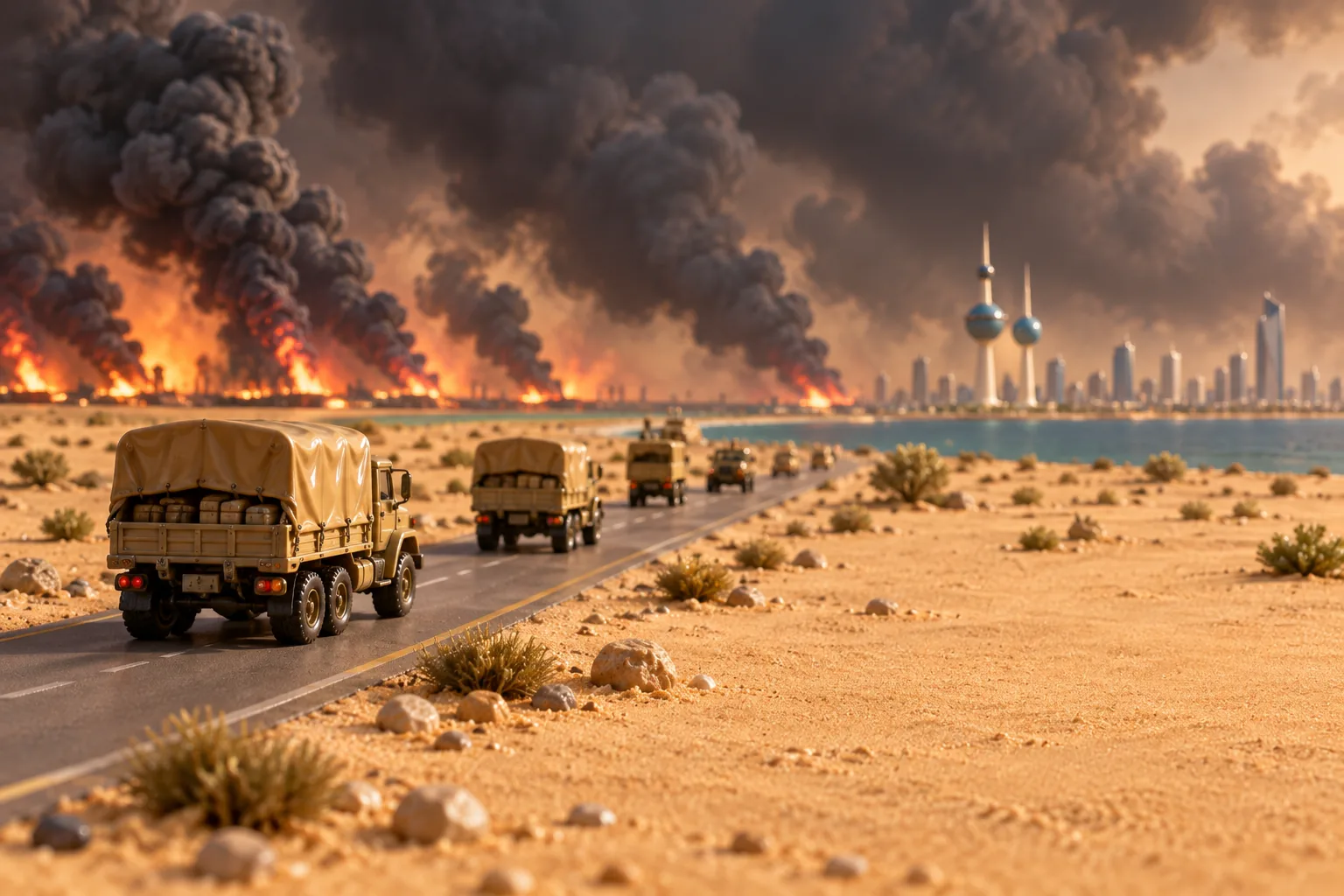
The war left a scarred landscape. In January Iraq had dumped about 400 million US gallons of crude oil into the Persian Gulf, the largest offshore spill up to that time, and its retreating forces set more than six hundred oil wells on fire. Saddam stayed in power and crushed uprisings at home, so the coalition set up no-fly zones over northern and southern Iraq. In 2003 another US-led coalition invaded Iraq.
Read more on Wikipedia
Sources: en.wikipedia.org/wiki/Gulf War