Industrial age · politics
Internment of Japanese Americans
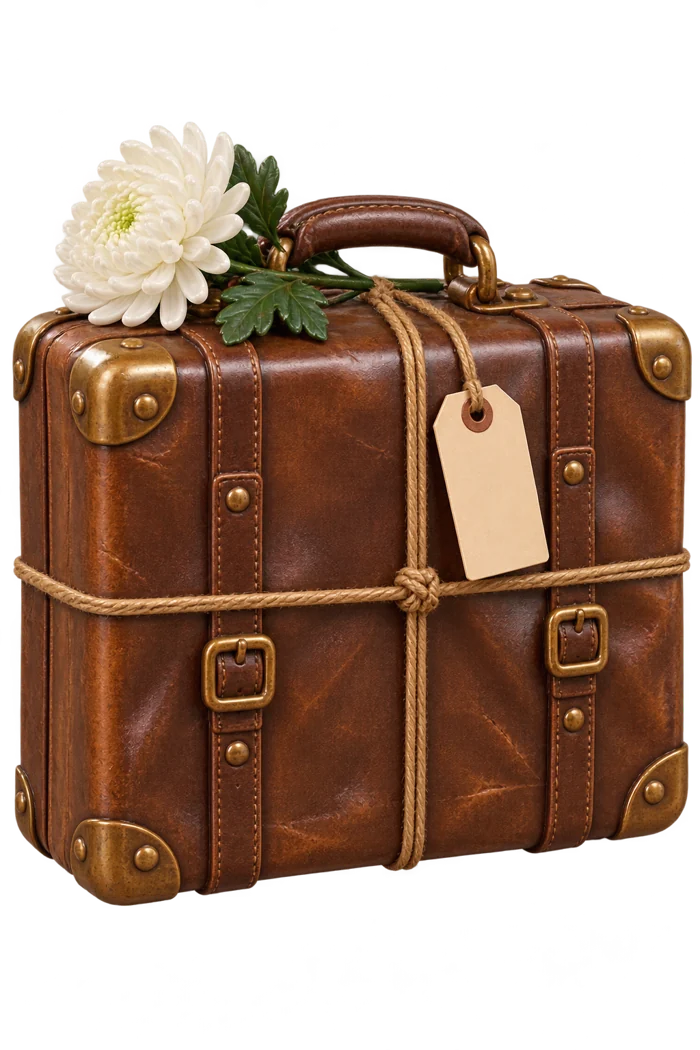
Families were given days to sell their homes and farms, and were allowed to take only what they could carry into camps behind barbed wire.
On 7 December 1941 Japan attacked Pearl Harbor. About 127,000 Japanese Americans lived in the continental United States, some 112,000 of them on the West Coast, and most were American-born citizens. Military officials claimed that disloyal people might hide among them and that there was no time to tell loyal from disloyal. On 19 February 1942 President Franklin D. Roosevelt signed Executive Order 9066, and the whole West Coast became a military exclusion area.
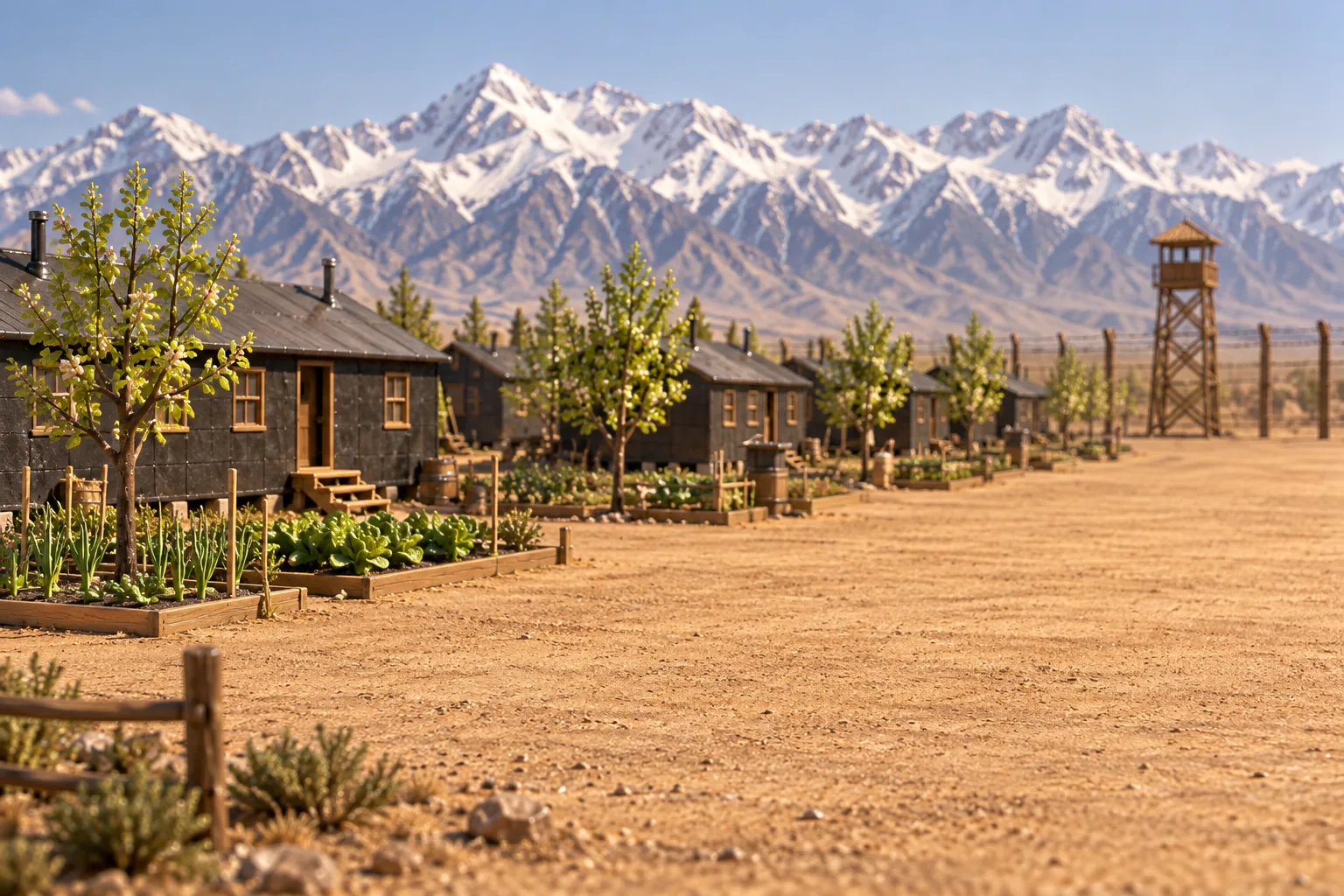
About 120,000 people of Japanese descent, two-thirds of them US citizens, were sent first to assembly centres, some of them racetrack stables, and then to ten camps run by the War Relocation Authority in California, Arizona, Wyoming, Colorado, Utah, Idaho and Arkansas. They could take only what they could carry, and many had to sell their homes and businesses. The camps were ringed with barbed wire and armed guards, and families lived in crowded barracks. Even so, they ran schools, jazz bands and over 100 baseball teams at Manzanar alone, and from 1943 about 20,000 Japanese Americans served in the US military.
In 1944 the Supreme Court upheld the removals in Korematsu v. United States, but ruled the same day in Ex parte Endo that a loyal citizen could not be held. The exclusion orders were lifted on 17 December 1944, and nine of the ten camps closed by the end of 1945. In 1983 a federal commission found little evidence of disloyalty and blamed racism. In 1988 President Ronald Reagan signed an apology and $20,000 for each surviving detainee.
Read more on Wikipedia
Sources: en.wikipedia.org/wiki/Internment of Japanese Americans, en.wikipedia.org/wiki/Executive Order 9066
