
Our time · war
Indonesian National Revolution
Two days after Japan surrendered, Indonesia's leaders signed a declaration of independence just a few lines long; it took four more years to make it real.
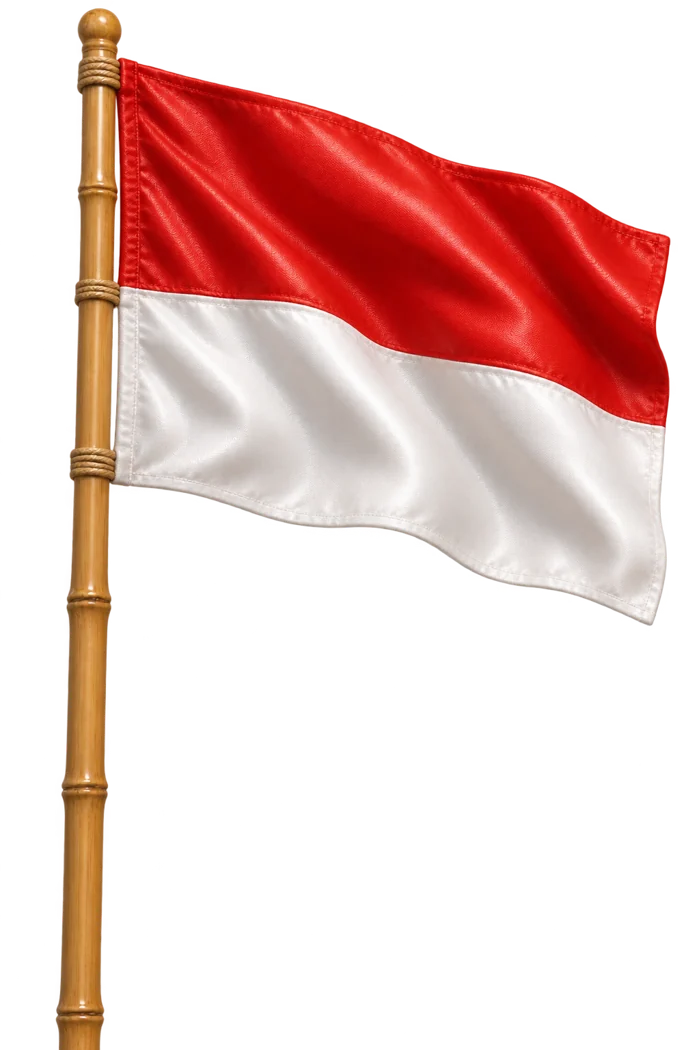
The Japanese had seized the Dutch East Indies within three months in 1942 and, for their own ends, encouraged Indonesian nationalists such as Sukarno. When Japan surrendered on 15 August 1945, radical youth groups pressed Sukarno and Mohammad Hatta to act, and on 17 August in Jakarta they proclaimed the independence of Indonesia. The next day Sukarno was chosen president and Hatta vice-president. The Netherlands wanted its colony back. British troops landed first, and in Surabaya, after their commander Brigadier Mallaby was killed on 30 October, they attacked the city from 10 November; Republican fighters held out until 29 November and thousands died.
Dutch forces returned in large numbers and took Jakarta, so the Republic moved its capital to Yogyakarta. Agreements were signed and broken. In July 1947 and again in December 1948 the Dutch launched major offensives; in the second, Operation Kraai, they took Yogyakarta and captured Sukarno, Hatta and most of the cabinet. But they could not hold the countryside, where General Sudirman led a guerrilla war, and on 1 March 1949 Republican troops under Lieutenant Colonel Suharto drove the Dutch out of Yogyakarta for six hours.
World opinion turned against the Netherlands. US Secretary of State George C. Marshall threatened to cut off American economic aid unless the Dutch withdrew. A Round Table Conference in The Hague from August to November 1949 settled the terms, and on 27 December 1949 the Netherlands transferred sovereignty to the United States of Indonesia. Only Dutch New Guinea stayed in Dutch hands.
Read more on Wikipedia
Sources: en.wikipedia.org/wiki/Indonesian National Revolution