Antiquity · war
Greco-Persian Wars
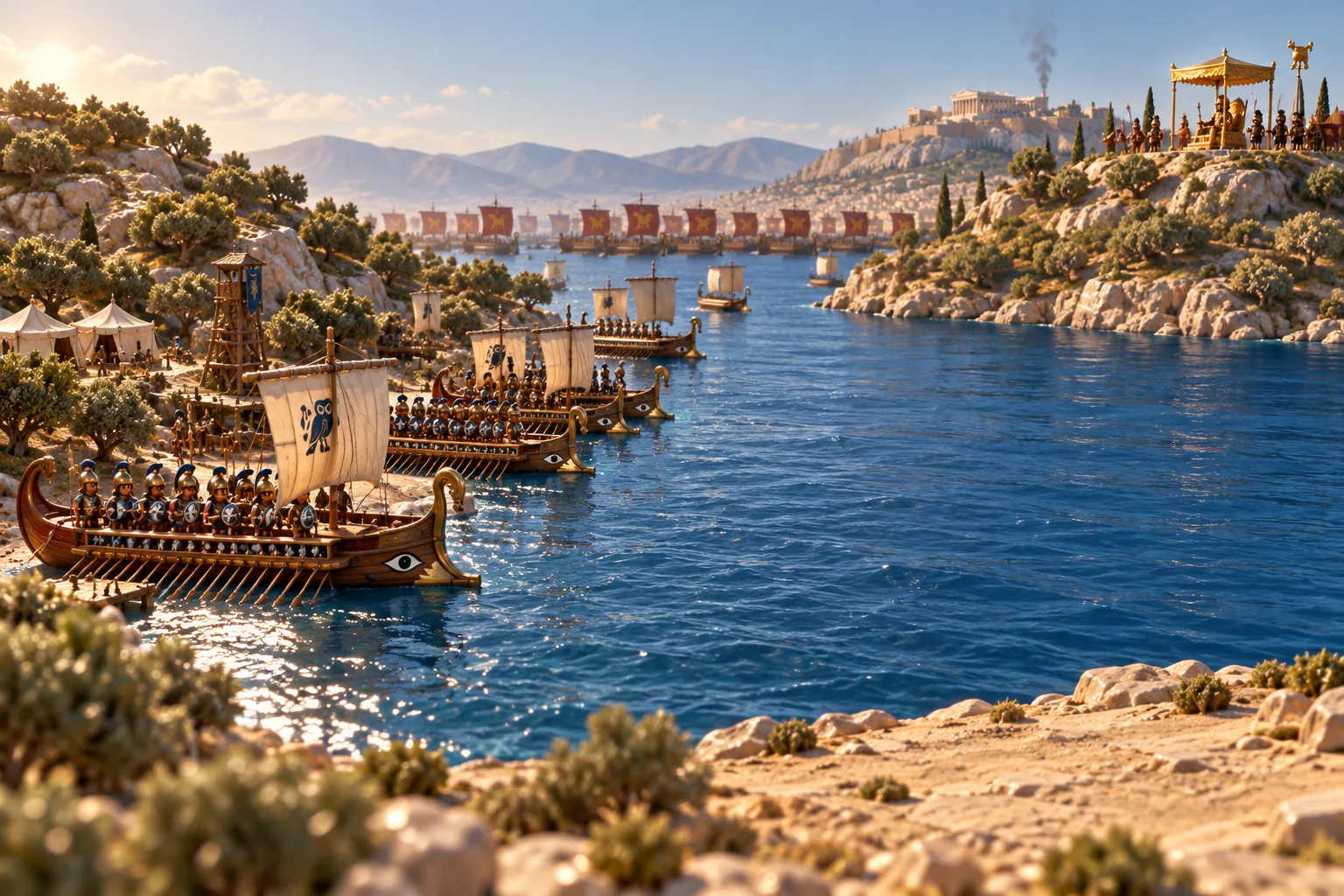
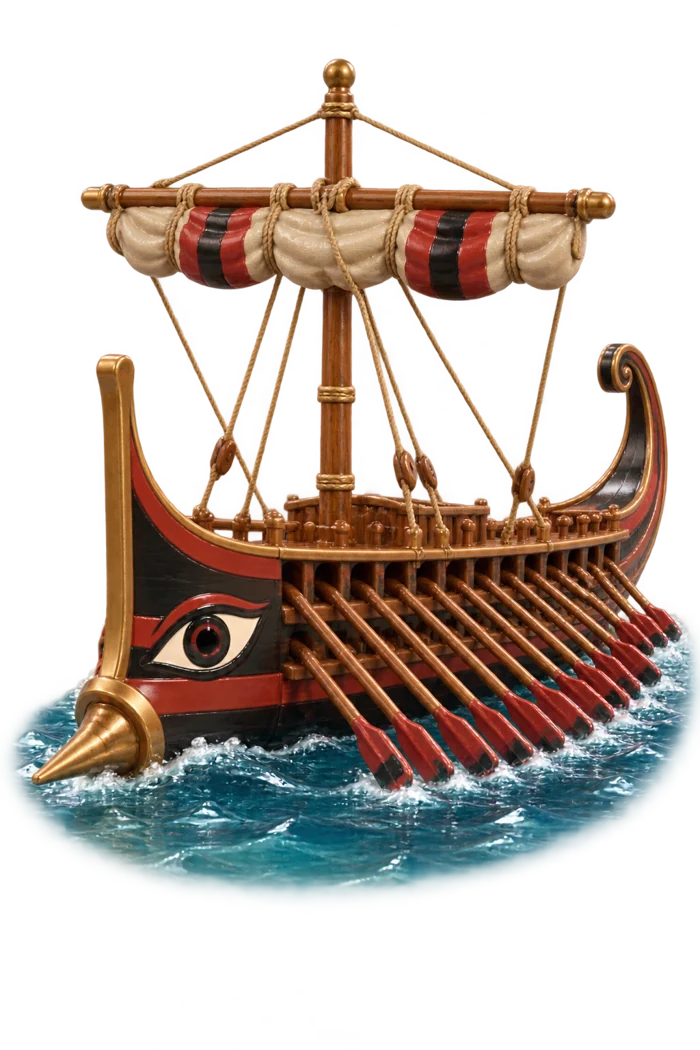
A lucky strike of silver in the mines of Athens paid for a new fleet just three years before the largest army of the ancient world marched into Greece.
Persia's king Cyrus the Great conquered the Greek cities of Ionia, on the coast of Asia Minor, in 547 BC, and the Persians ruled them through Greek tyrants. In 499 BC Aristagoras, tyrant of Miletus, led them in revolt. With help from Athens and Eretria the rebels burned the Persian regional capital Sardis in 498 BC. The Persians crushed the Ionian Revolt at the sea battle of Lade in 494 BC, and King Darius the Great vowed to punish Athens and Eretria.
In 490 BC a Persian force crossed the Aegean and razed Eretria, but it was beaten by the Athenians and Plataeans at Marathon. Darius's son Xerxes I came back in 480 BC with one of the largest armies of the ancient world. It crossed the Hellespont on two bridges of boats, broke through at Thermopylae and burned an evacuated Athens. Then the Persian fleet was badly defeated by the Greeks in the narrow strait of Salamis. In 479 BC the Greek allies routed the Persian army at Plataea and destroyed the rest of its fleet at Mycale.
Athens then led the Greek cities in the Delian League, which pushed the last Persian troops out of Europe and won a double victory at the Eurymedon in 466 BC. A failed expedition to Egypt and a last campaign on Cyprus in 451 BC brought the wars to a quiet end, perhaps with a treaty, the Peace of Callias.
Read more on Wikipedia


