Early modern · culture
Protestant Reformation
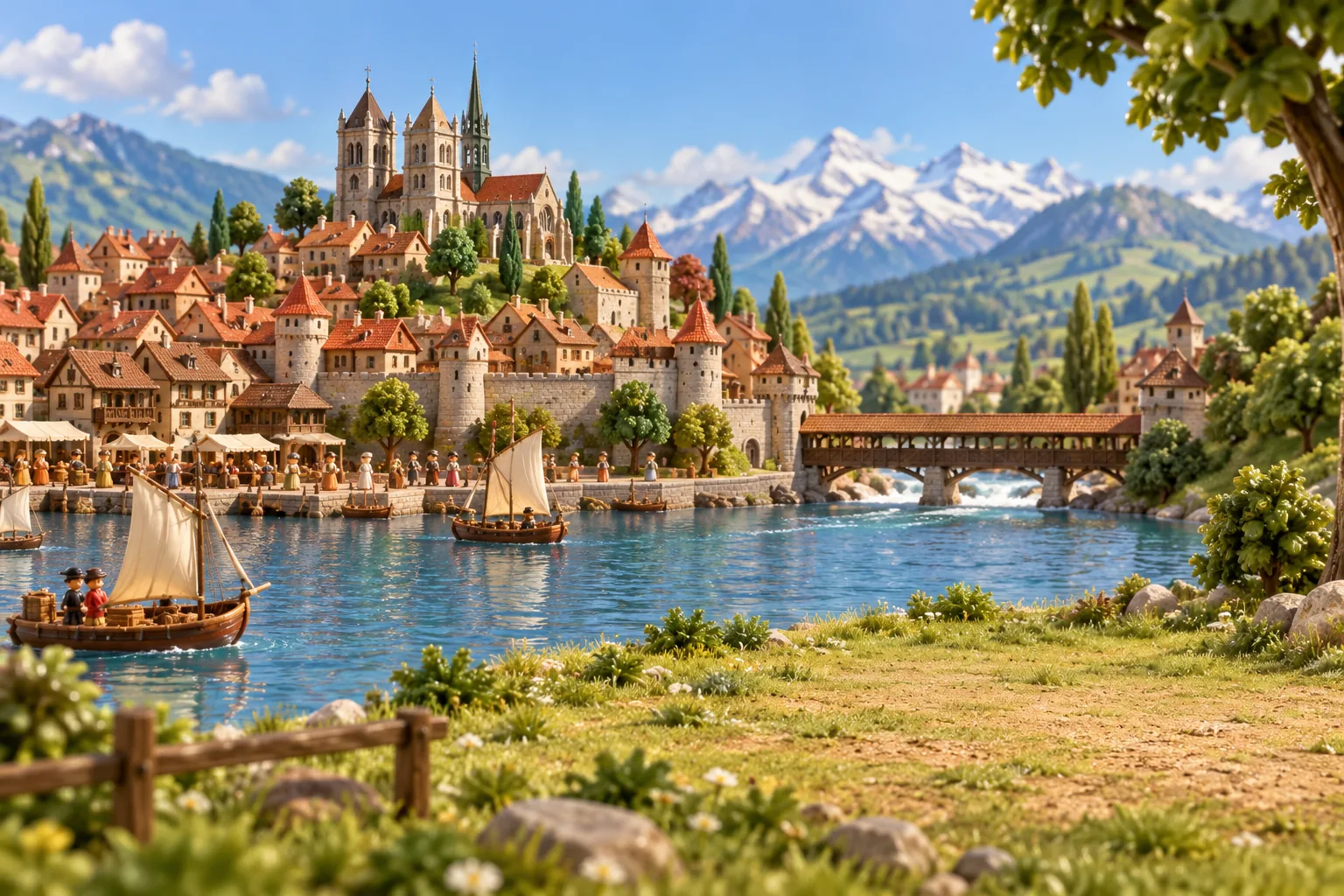
Zürich's Reformation went public with a plate of sausages, eaten in Lent against all the rules of fasting.
The Reformation was the 16th-century movement that challenged the authority of the pope and the Catholic Church and gave birth to Protestantism. It is usually dated from 1517, when Martin Luther published his Ninety-five Theses in Wittenberg. The reformers taught that people are saved by faith in Christ alone, not by faith together with good works. Printing presses carried their pamphlets across Europe in everyday languages, and Luther's German Bible, the New Testament in 1522 and the whole by 1534, shaped the German language itself.
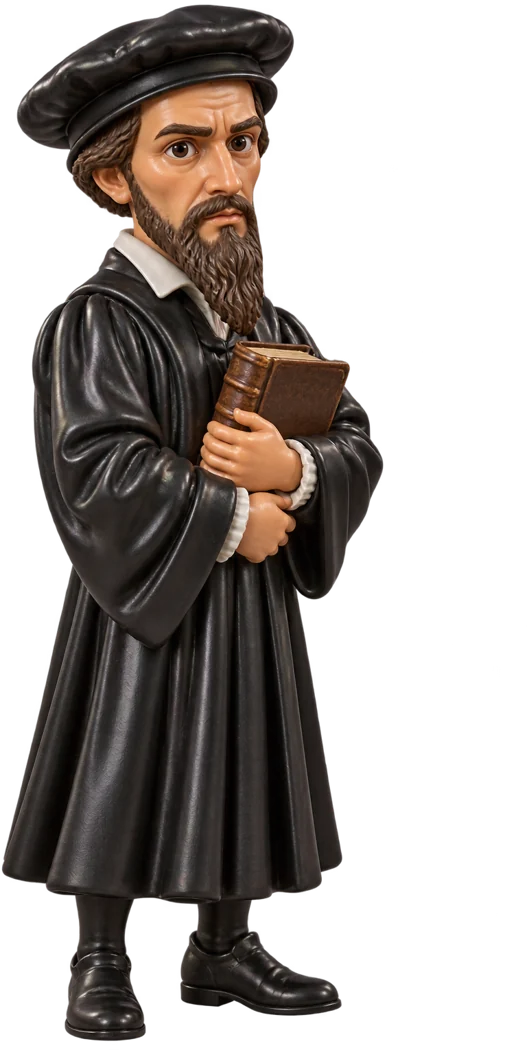
The movement soon split into several streams. In Zürich the priest Huldrych Zwingli had images removed from the churches and fasting and clerical celibacy abolished. In 1536 William Farel persuaded the Frenchman John Calvin to settle in Geneva, and from there Calvin's Reformed teaching spread to France, the Netherlands and Scotland, where John Knox led the change. In England Henry VIII broke with Rome when the pope would not annul his marriage, and in 1534 the Act of Supremacy made him supreme head of the Church of England. Radical Anabaptists wanted to go back to the ways of the first Christians.
The Catholic Church answered with the Counter-Reformation and the Council of Trent, which met in sessions from 1545 to 1563. The Peace of Augsburg in 1555 let each German prince choose his subjects' faith. Religious wars still tore Europe apart until the Peace of Westphalia in 1648.
Read more on Wikipedia
Sources: en.wikipedia.org/wiki/Reformation


