Early modern · exploration
Plymouth Colony
The first Native leader to walk into the Pilgrims' settlement greeted them in their own language: "Welcome, Englishmen!"
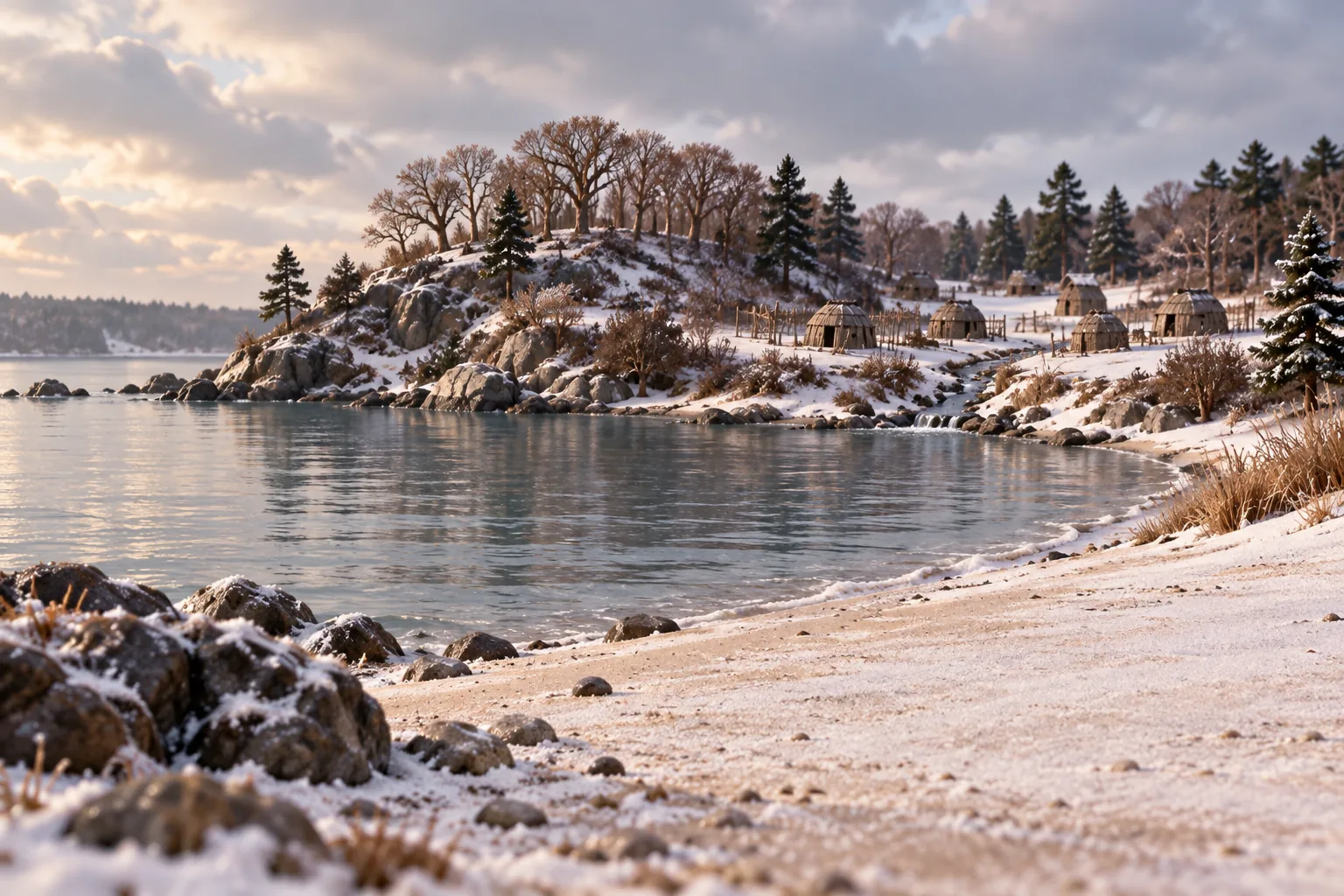
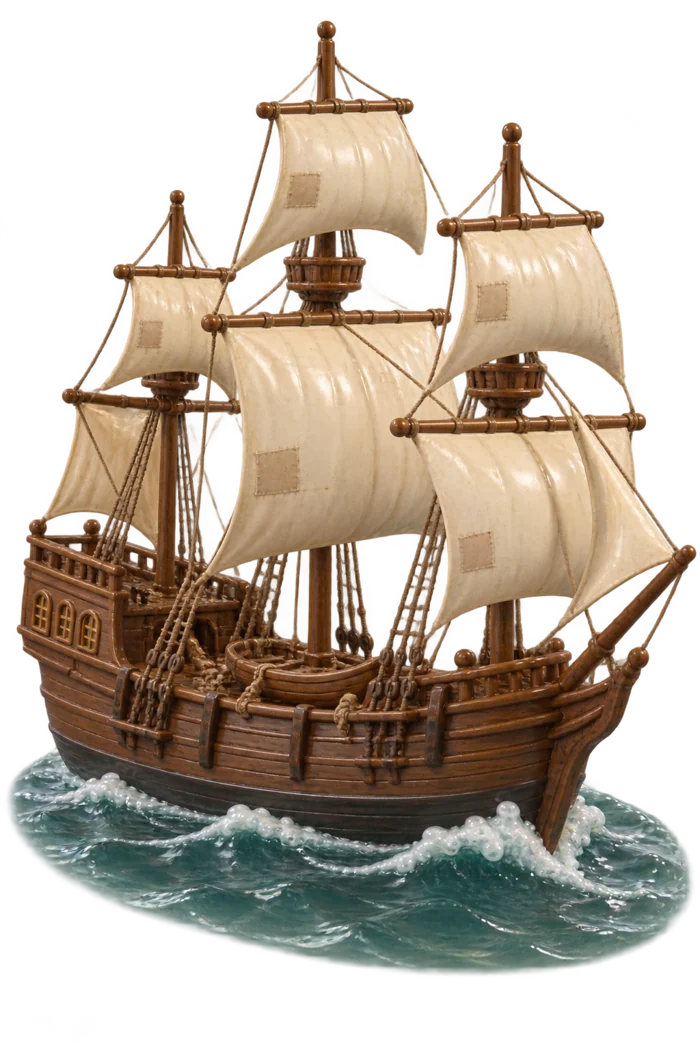
The Pilgrims were English Protestant Separatists from the village of Scrooby who had fled persecution to Leiden in the Netherlands. In 1620 they set out for America with other settlers. Their second ship, the Speedwell, leaked, and in the end the Mayflower sailed alone from Plymouth, England, on 6 September with 102 passengers. On 11 November she anchored off Cape Cod. Since they had no patent to settle there, the colonists signed the Mayflower Compact on board, their first plan of government, and on 21 December a landing party reached the site of Plymouth, a village of the Patuxet people recently emptied by an epidemic.
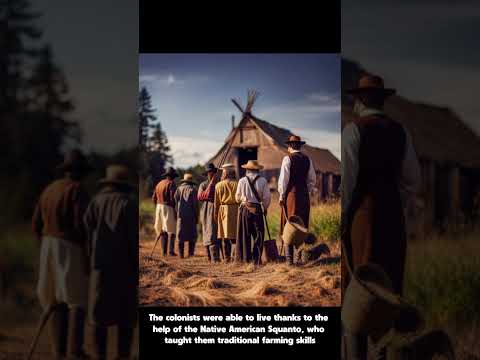
That first winter nearly half of the 102 passengers died. In March 1621 an Abenaki leader, Samoset, walked into the settlement and greeted them in English. Through him they met the Wampanoag chief Massasoit and Squanto, the last survivor of Patuxet, who had lived in Europe and spoke fluent English. The colony and Massasoit made a treaty of mutual help, and in the autumn of 1621 the 53 surviving Pilgrims, Massasoit and 90 of his men shared the feast later called the First Thanksgiving.
Long led by its governor William Bradford, the colony grew to cover most of southeastern Massachusetts. Relations with the Wampanoag broke down under Massasoit's son Metacomet, known to the English as Philip, and in King Philip's War of 1675–1678 Plymouth was at the centre of the fighting. In 1691 Plymouth was merged into the Province of Massachusetts Bay.
Read more on Wikipedia