Our time · politics
Gwangju Uprising
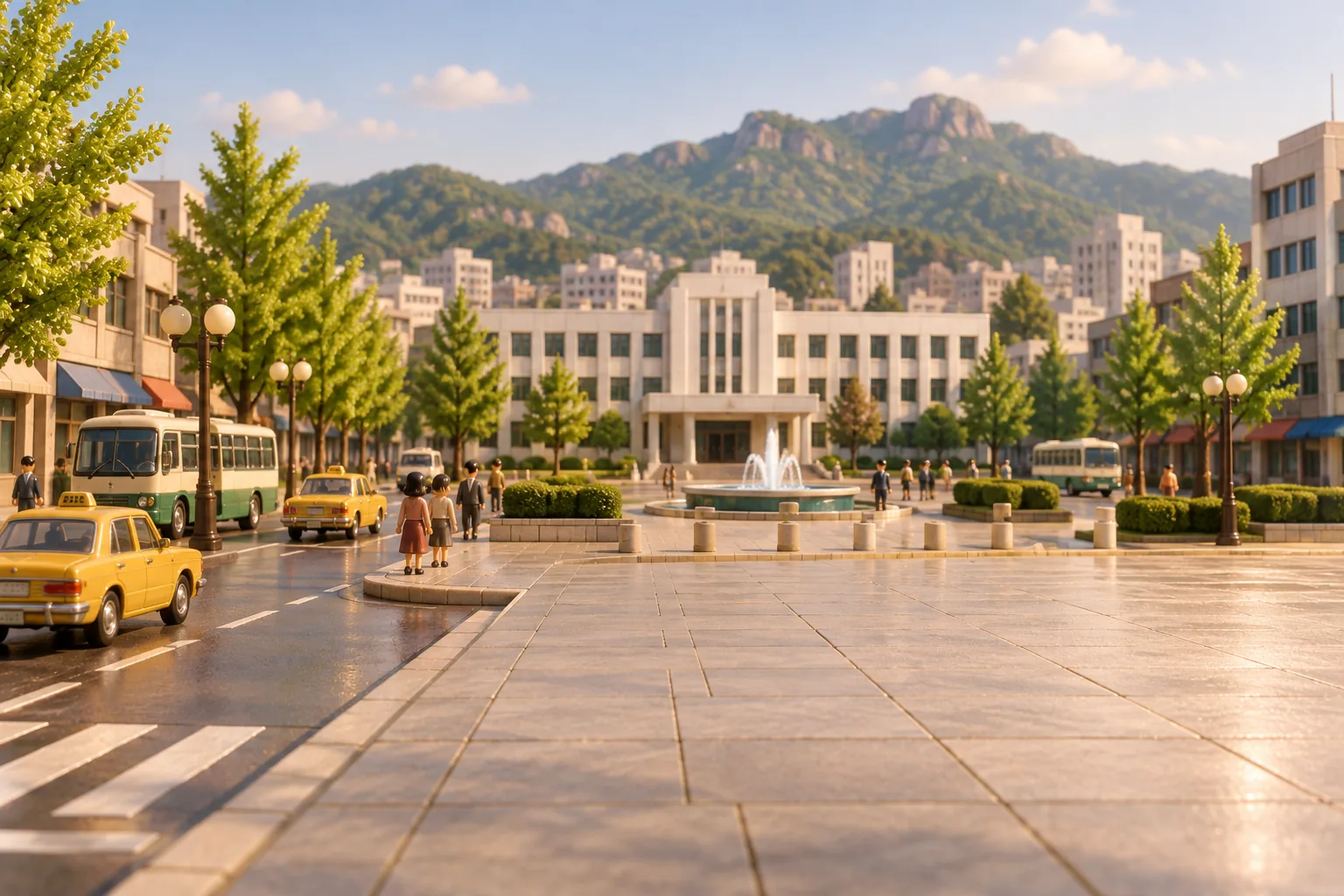
When paratroopers clubbed students in the streets, Gwangju's taxi drivers led the whole city into revolt.
After President Park Chung Hee was assassinated on 26 October 1979, South Koreans hoped for democracy. Instead General Chun Doo-hwan seized control of the army in a coup on 12 December 1979, and on 17 May 1980 he widened martial law, closed the universities, banned political activity and arrested opposition leaders, among them Kim Dae-jung. On the morning of 18 May about 200 students gathered at the gate of Chonnam National University in Gwangju to protest. Paratroopers charged them, and by afternoon soldiers of the 7th Airborne Brigade were clubbing protesters and bystanders alike in the streets.
The brutality brought the city out. By 20 May more than 10,000 people were protesting, and that evening hundreds of taxis led a parade of buses and trucks to the Provincial Office. Troops opened fire. Citizens took weapons from police stations and armouries, formed militias and took control of much of the city; by 22 May the soldiers had pulled back to the outskirts and sealed the city off. Inside, people queued to give blood for the wounded.
At 4 a.m. on 27 May airborne brigades moved back in and defeated the militias within 90 minutes. The government admitted 165 dead; scholars today estimate between 600 and 2,300. Chun's regime called the uprising a riot stirred up by communists. In 1996 a Seoul court sentenced Chun to death, commuted to life imprisonment, but he was pardoned in December 1997. That year 18 May became a national day of remembrance.
Read more on Wikipedia