Middle Ages · war
Wars of the Roses
Nobody who fought in them called them the Wars of the Roses: the name caught on only in the 19th century, thanks to a novel.
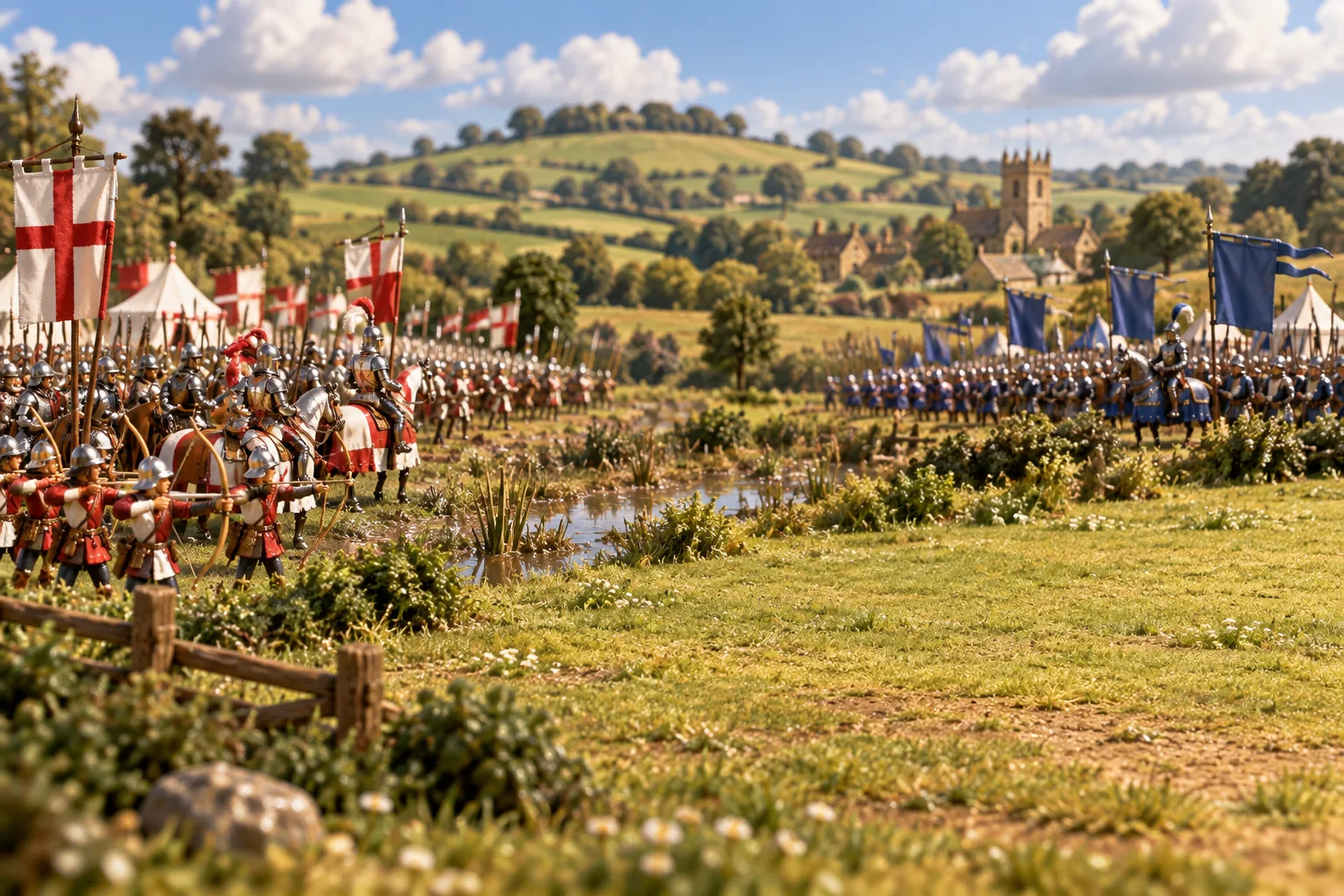
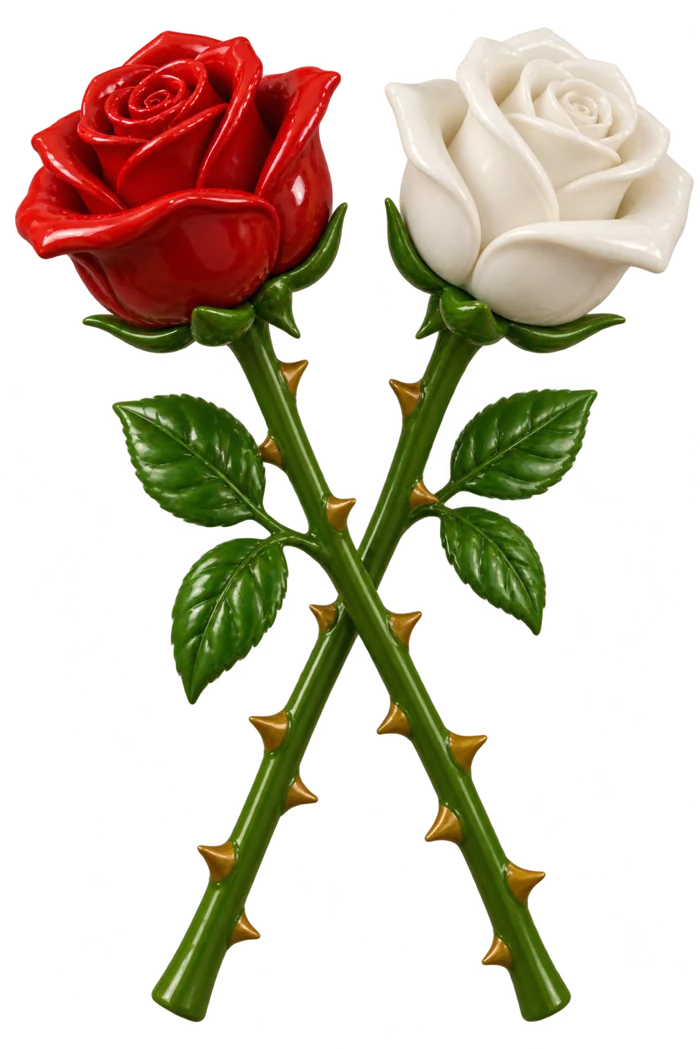
England came out of the Hundred Years' War in 1453 defeated and troubled, ruled by Henry VI of the House of Lancaster, a king prone to mental illness. His cousin Richard, Duke of York, pressed his own claim. On 22 May 1455 York's army captured the king at the First Battle of St Albans, and Parliament made York Lord Protector. The badges of the two branches of the royal Plantagenet family, the white rose of York and the red rose of Lancaster, later gave the wars their name.
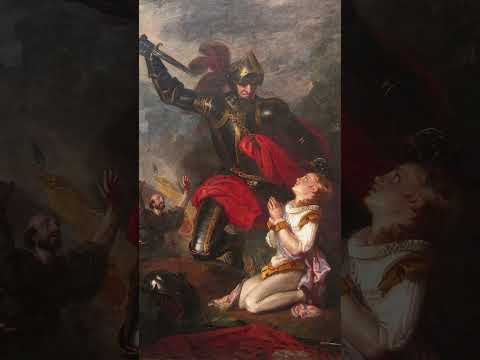
York was killed at the Battle of Wakefield, but his son defeated the Lancastrians at Towton on 29 March 1461 and was crowned Edward IV. Then his most powerful ally, Richard Neville, Earl of Warwick, turned against him and restored Henry VI in 1470. Edward came back with help from Burgundy, killed Warwick at Barnet, and at Tewkesbury in 1471 Henry's only son was killed. Henry himself died soon after in the Tower of London, possibly on Edward's orders.
When Edward IV died in 1483, his twelve-year-old son Edward V reigned for 78 days before his uncle took the throne as Richard III; the boy and his brother, the Princes in the Tower, were not seen in public again. On 22 August 1485 Henry Tudor, a Lancastrian exile, defeated and killed Richard at Bosworth Field. As Henry VII he married Elizabeth of York, joining the two roses into the Tudor rose, and destroyed the last Yorkist army at Stoke Field on 16 June 1487. The Tudors ruled England until 1603.
Read more on Wikipedia