Middle Ages · politics
Investiture Controversy
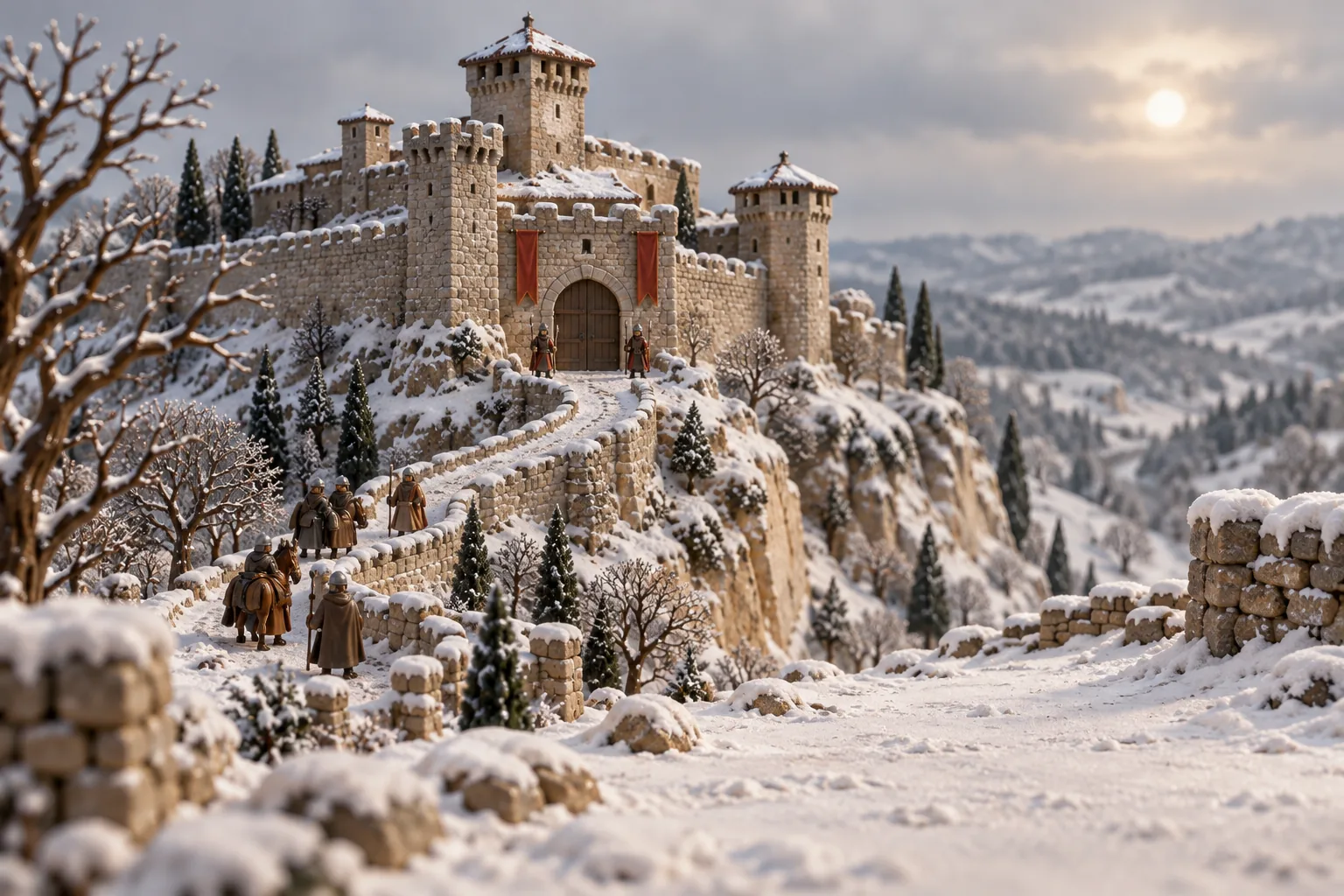
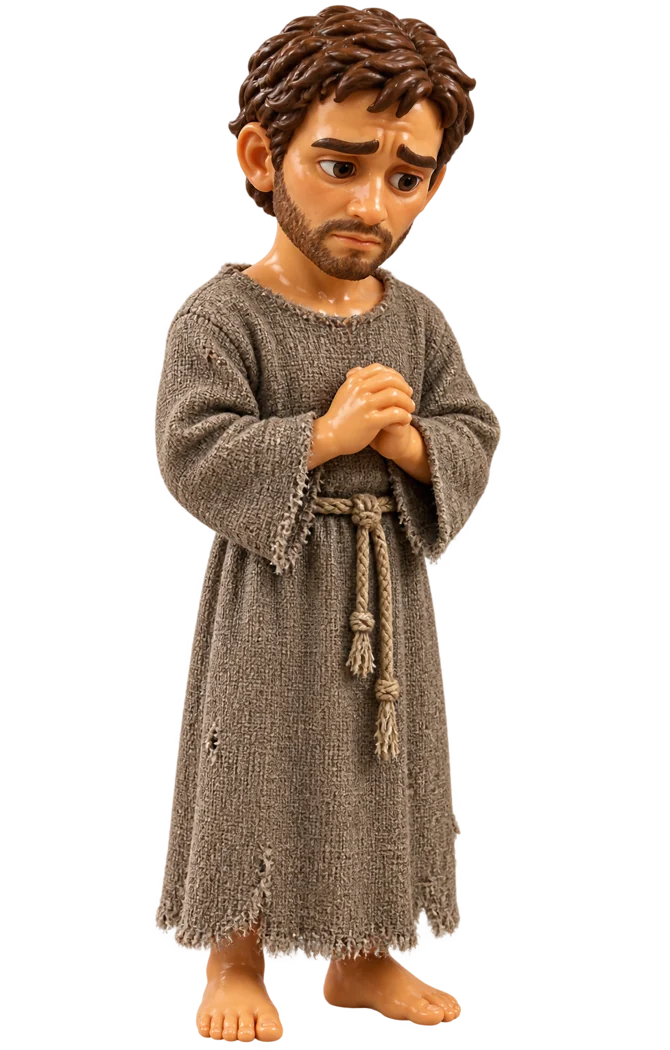
A king stood barefoot in the snow outside a castle in the Apennines, begging a pope to forgive him.
In medieval Europe bishops and abbots were great landowners and royal advisers, and kings and nobles usually chose them and handed them the symbols of their office, a practice called lay investiture. Reforming popes wanted to end this, and in 1075 Pope Gregory VII drew up the Dictatus papae, which claimed the pope alone could depose an emperor. The young German king Henry IV kept appointing his own bishops, including his chaplain as Bishop of Milan, and sent Gregory a letter addressed to "Hildebrand, at present not pope but false monk".
In 1076 Gregory excommunicated Henry and declared him deposed, releasing his subjects from their oaths. With the German princes in revolt, Henry had to give way. In 1077 he travelled to Canossa in northern Italy, where the pope was staying in the castle of Countess Matilda, and stood barefoot in the snow in a hair shirt until Gregory lifted the excommunication. The truce did not last. Gregory excommunicated him again in 1080, and Henry set up his own pope, Clement III, took Rome in 1084 and was crowned emperor there. Norman troops under Robert Guiscard rescued Gregory, but Rome was plundered, and the pope died in exile in Salerno on 25 May 1085.
The struggle outlived them both. It ended on 23 September 1122, when Pope Callixtus II and Emperor Henry V agreed the Concordat of Worms: the Church would invest bishops with ring and staff, while the emperor kept a say in elections in Germany and gave up any right to choose the pope.
Read more on Wikipedia
