Our time · politics
1973 Chilean coup d'état
A country long held up as South America's model democracy lost it in a single morning, while its president broadcast his farewell from a palace under attack.
In 1970 the socialist Salvador Allende won Chile's presidential election with 36.6% of the vote in a close three-way race, and Congress confirmed him. His Popular Unity government faced fierce opposition, strikes and street unrest, and the Nixon administration in the United States worked against it. On 29 June 1973 a tank regiment surrounded the presidential palace in a failed coup, and in August the Chamber of Deputies accused the government of breaking the constitution.
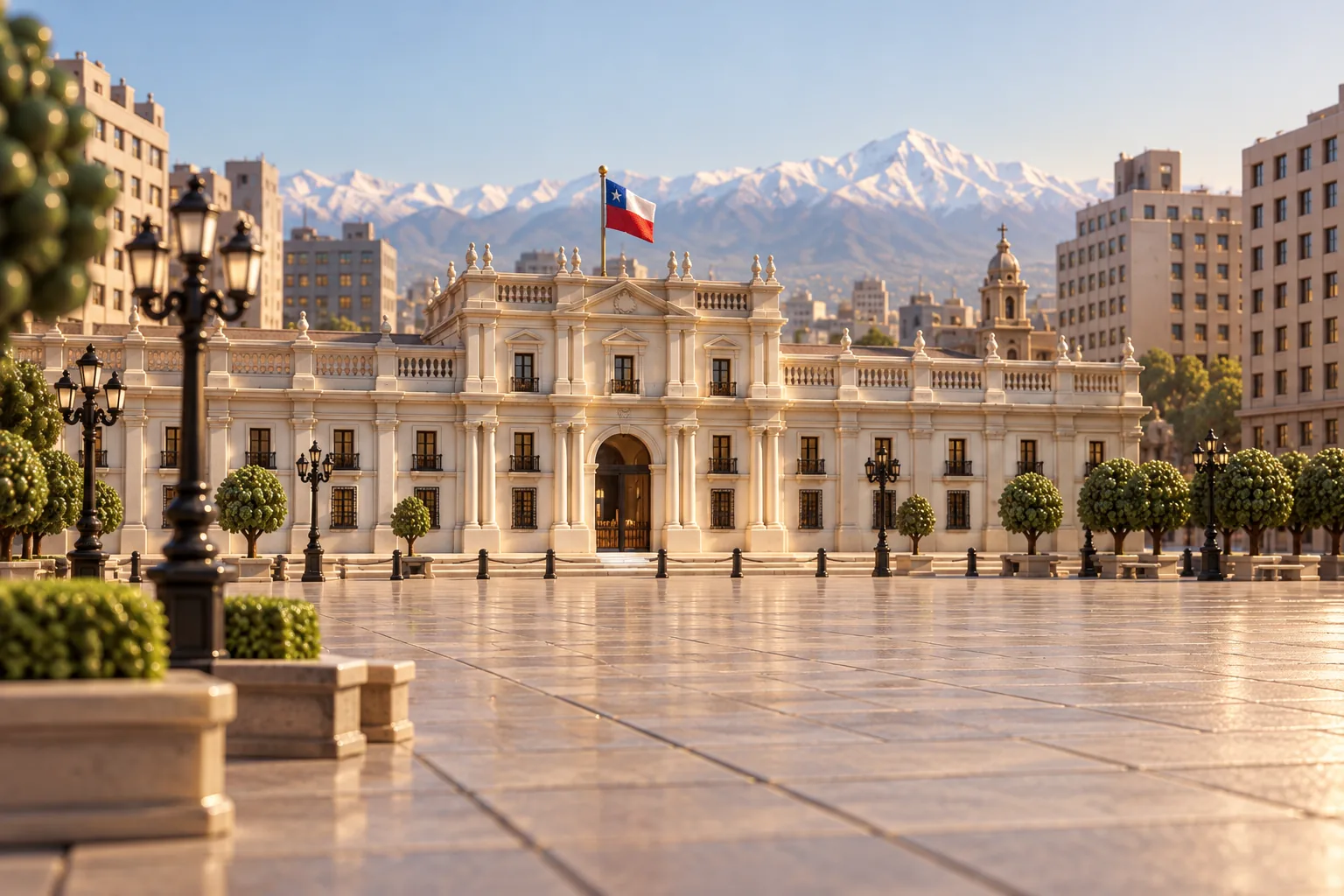
Early on 11 September 1973 the navy seized the port of Valparaíso, and soldiers closed most radio and television stations in Santiago. Allende went to La Moneda, the presidential palace, and refused offers to fly him into exile. As the attack began, he gave a final speech over the radio, saying he would stay. Hawker Hunter jets then bombed the palace, troops stormed it, and Allende died inside; his death is generally accepted as a suicide.
A military junta took power, and General Augusto Pinochet became president in 1974. Tens of thousands of people were held in Santiago's National Stadium, and the singer Víctor Jara was among those murdered in the first days. The 2004 Valech Report counted some 28,000 people imprisoned and tortured, and fewer than 3,000 killed. Pinochet ruled until he lost the 1988 plebiscite, and democracy returned in 1990.
Read more on Wikipedia