Our time · war
Fall of Saigon
When the radio began playing "White Christmas" in the April heat, every American in Saigon knew it was time to run for the helicopters.
The 1973 Paris Peace Accords took US combat troops out of Vietnam, but the fighting between North and South never stopped. In March 1975 the North Vietnamese army under General Văn Tiến Dũng opened an offensive in the Central Highlands, and the South's army collapsed far faster than anyone expected, even the North's own leaders. City after city fell. On 21 April President Nguyễn Văn Thiệu resigned in a tearful televised speech, blaming the United States for abandoning the South, and on 28 April General Dương Văn Minh became president.
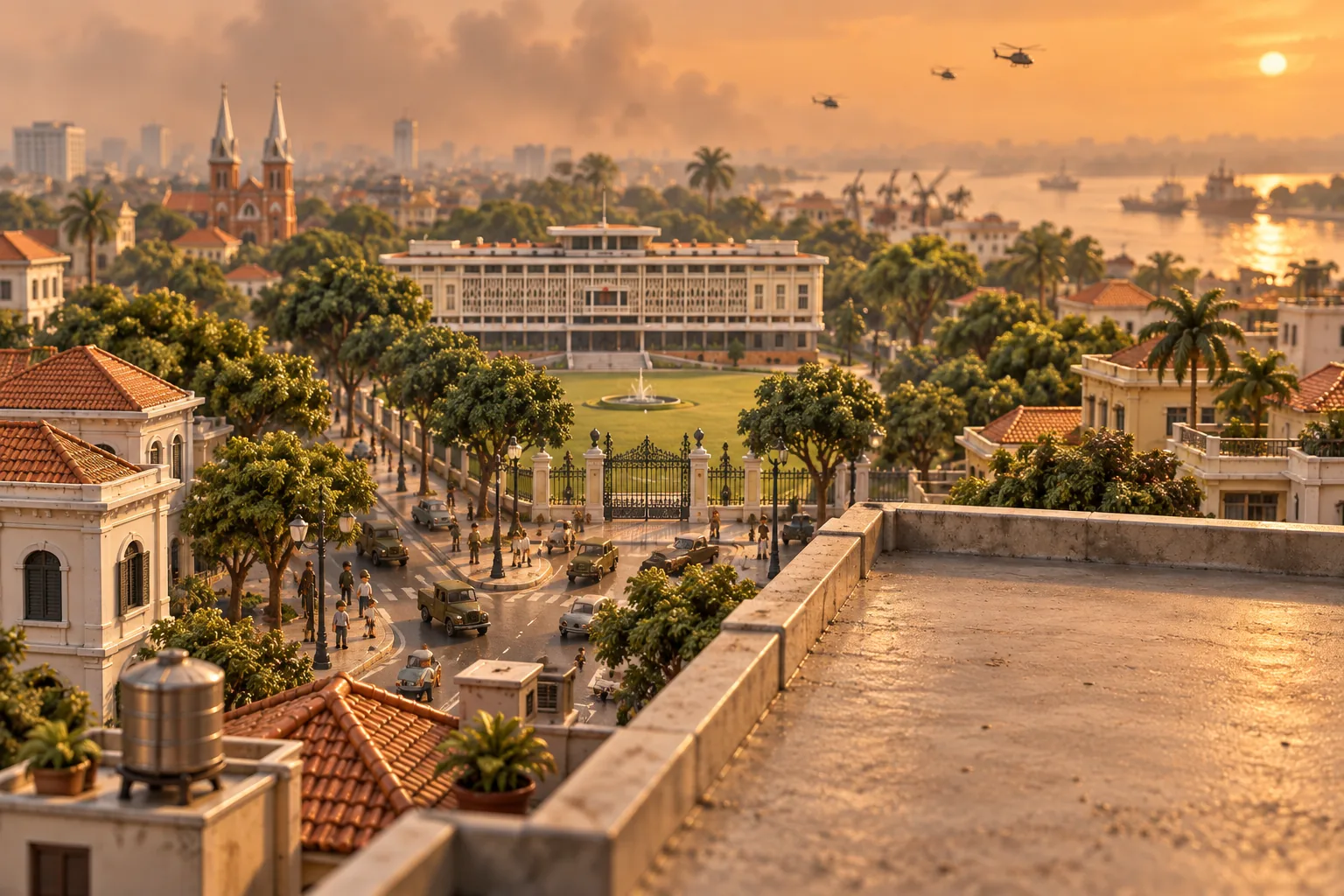
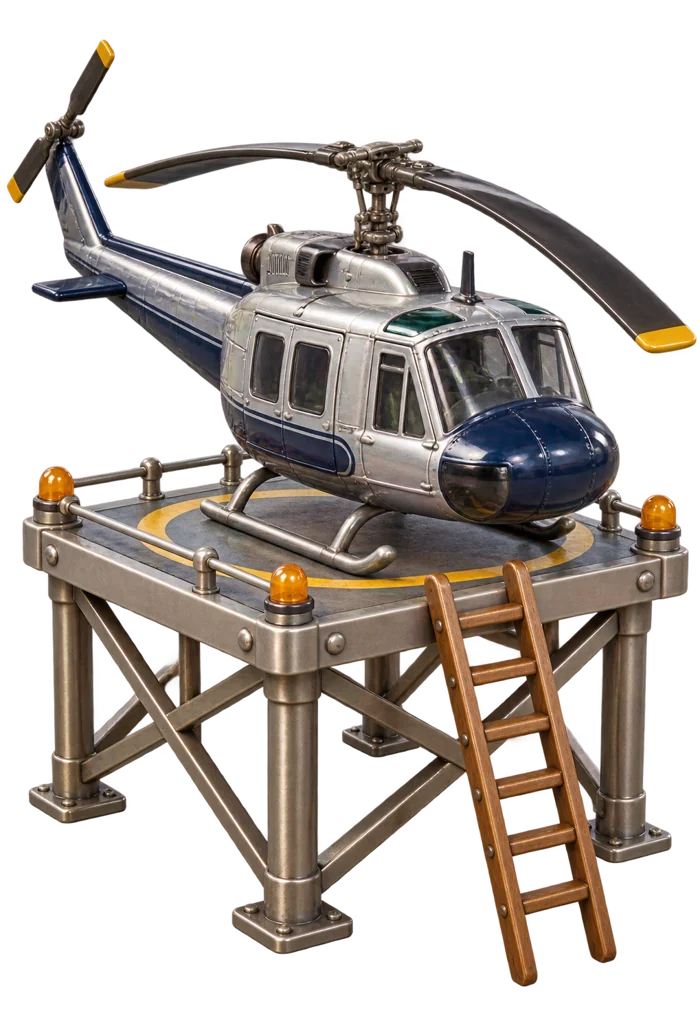
On 29 April the attack on Saigon began, and the United States launched Operation Frequent Wind, the largest helicopter evacuation in history. When the American radio station played Irving Berlin's "White Christmas", American personnel headed for the pickup points. Helicopters lifted thousands of Americans and South Vietnamese out of the city to ships waiting offshore. Ambassador Graham Martin left on a helicopter called Lady Ace 09 at 04:58 on 30 April.
At 10:24 that morning Minh announced an unconditional surrender. Tanks of the 203rd Tank Brigade crashed through the gates of the Independence Palace, and at 11:30 the tank commander Bùi Quang Thận raised the Viet Cong flag on its roof. South Vietnam ceased to exist. On 2 July 1976 the country was formally reunified, and Saigon was renamed Ho Chi Minh City after the North's late leader.
Read more on Wikipedia
Sources: en.wikipedia.org/wiki/Fall of Saigon