Industrial age · politics
Bretton Woods system
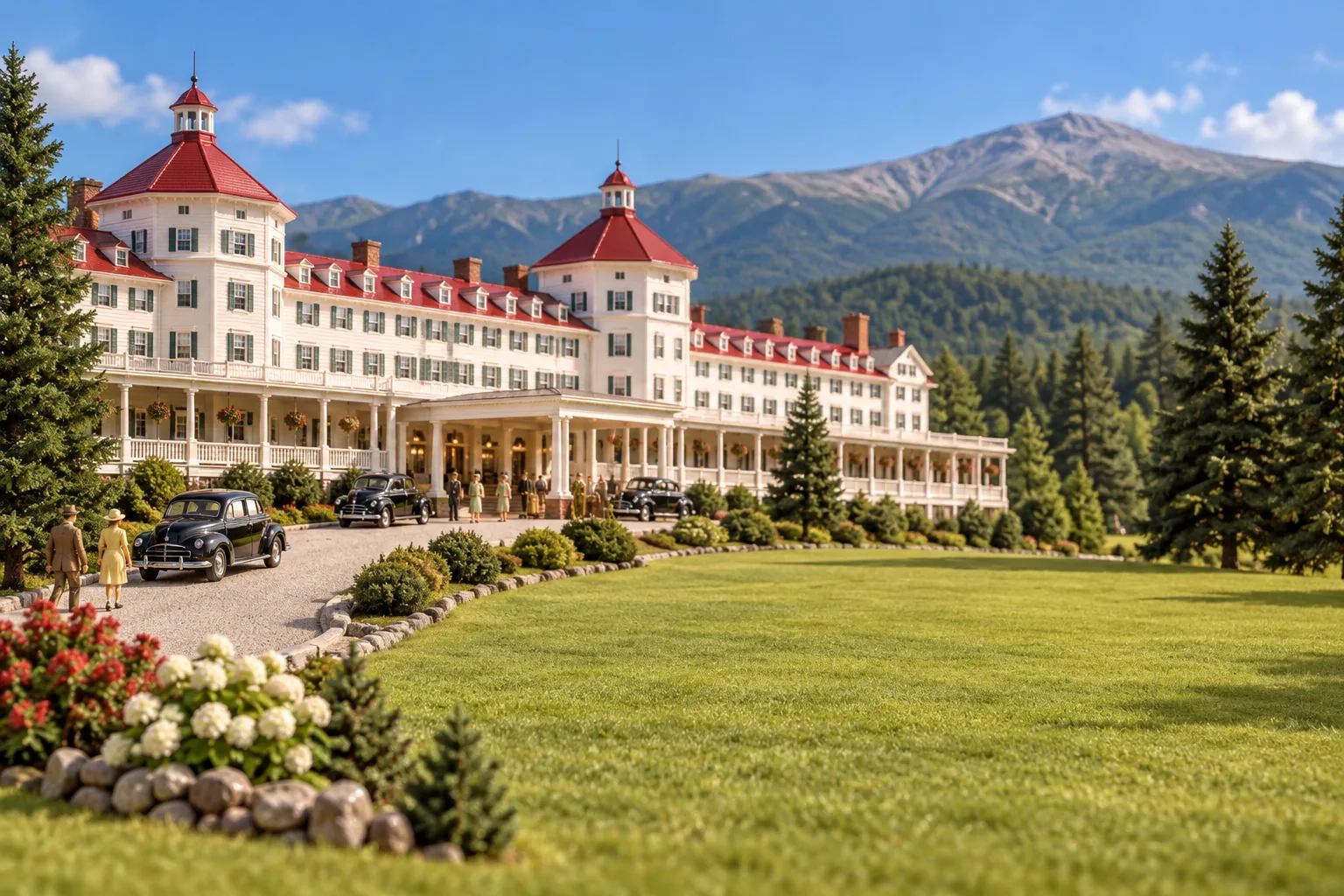
In a grand hotel in the New Hampshire mountains, with the Second World War still raging, 44 countries agreed on how the world's money would work for the next 27 years.
After the First World War, unpaid war debts, a broken gold standard and countries devaluing their currencies to grab trade from each other helped bring on the Great Depression. In July 1944, as the Second World War went on, delegates from 44 Allied countries met at the Mount Washington Hotel in Bretton Woods, New Hampshire, determined not to repeat it. From 1 to 22 July they argued over rival plans: Britain's John Maynard Keynes wanted a world currency called the bancor, while the American Harry Dexter White preferred a fund with enough money to steady exchange rates.
The Americans, whose country held two-thirds of the world's gold, won. Every member fixed its currency to the US dollar, within 1% either way, and the dollar could be exchanged for gold by foreign governments at $35 an ounce. The conference created the International Monetary Fund and the International Bank for Reconstruction and Development, today part of the World Bank. The Soviet Union attended but never ratified the agreements.
By the late 1960s war spending in Vietnam, new social programmes and inflation left far more dollars abroad than the United States had gold to cover. On 15 August 1971 President Richard Nixon closed the gold window, ending the convertibility of the dollar. A rescue deal at the Smithsonian Institution that December failed, and by 1973 the main currencies were floating.
Read more on Wikipedia


