Industrial age · science
Penicillin
A Scottish doctor came back from his summer holiday, found mould on a forgotten dish of bacteria, and saw that the bacteria around it had died.
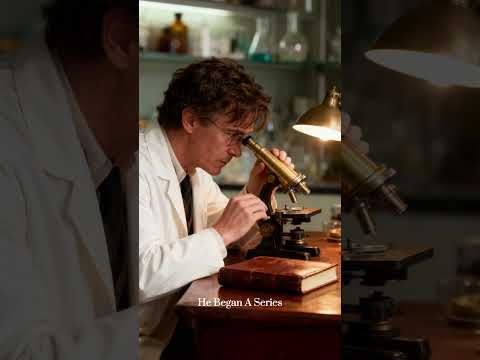
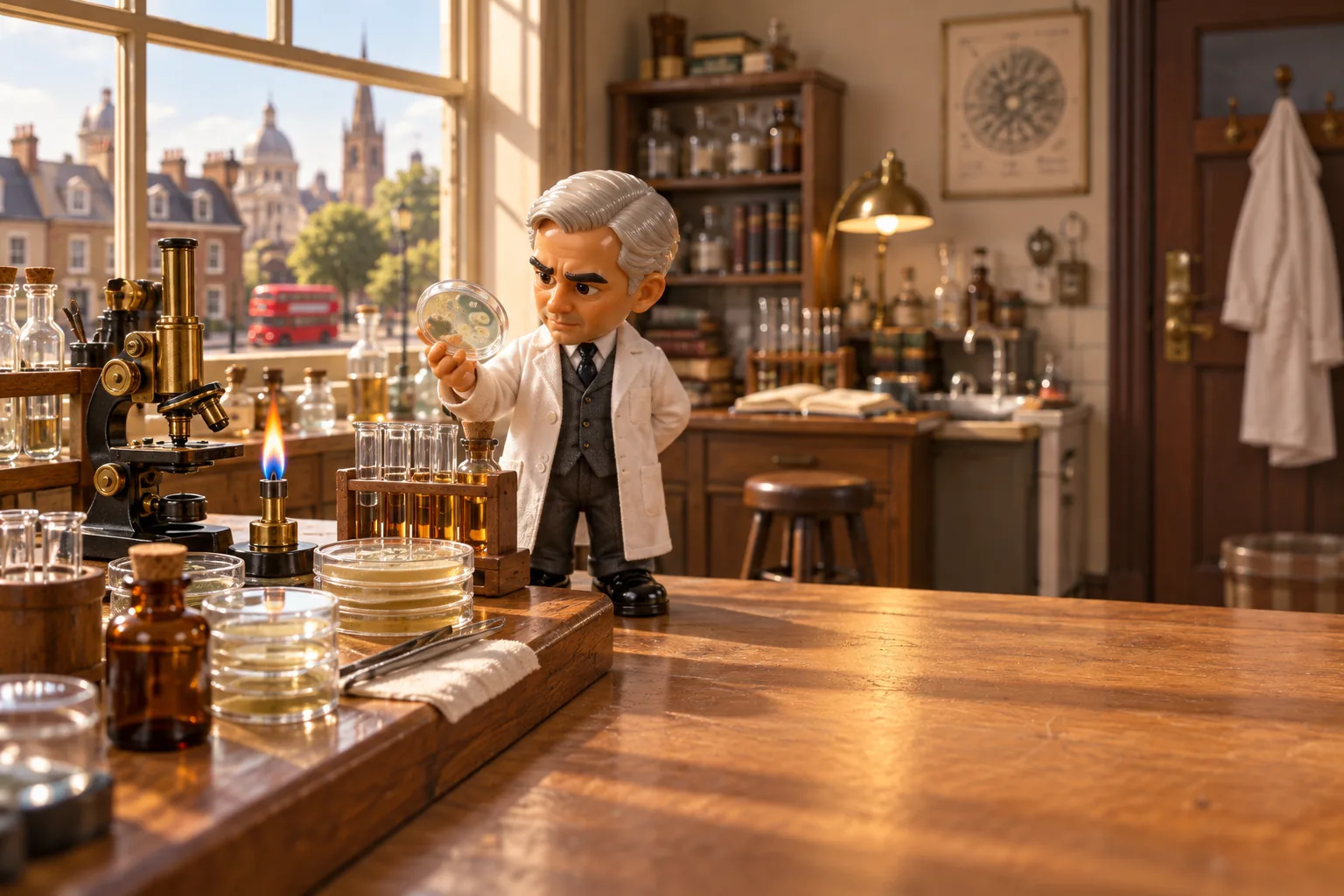
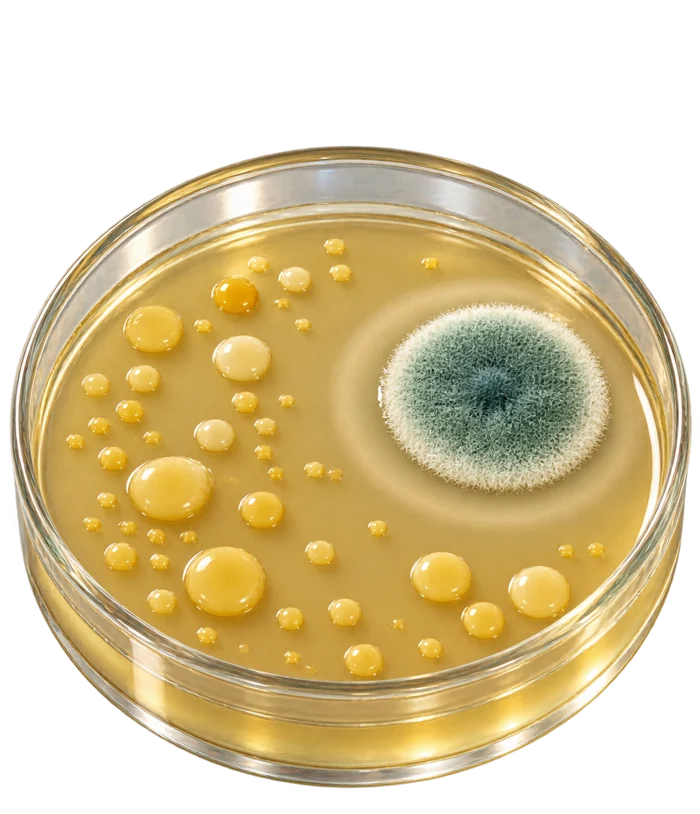
In the summer of 1928 Alexander Fleming, working at St Mary's Hospital in London, left several dishes of Staphylococcus aureus on a corner of his table and went on holiday. When he returned on 3 September, one dish had its lid off and was contaminated with a blue-green mould. Around the mould the bacteria had been destroyed; farther away they grew normally. 'That's funny,' Fleming remarked. The mould was a Penicillium, and in 1929 he named the substance it released penicillin.
Turning mould juice into a medicine took another decade. From 1939 a team at Oxford led by Howard Florey, with Ernst Chain, Norman Heatley and others, worked out how to grow the mould, extract the penicillin and purify it. In 1941 they treated a policeman, Albert Alexander, who had a severe face infection. He began to recover within a day, but even with penicillin recovered from his urine the supply ran out, and he died.
Wartime Britain could not make it in bulk, so in June 1941 Florey and Heatley took their mould to the United States. At a government laboratory in Peoria, Illinois, researchers raised yields with corn steep liquor and found a far better strain on a mouldy cantaloupe from a local market. By the Normandy landings in 1944 the US could supply 2.3 million doses. Fleming, Florey and Chain shared the 1945 Nobel Prize.
Read more on Wikipedia
Sources: en.wikipedia.org/wiki/Penicillin, en.wikipedia.org/wiki/History of penicillin, en.wikipedia.org/wiki/Alexander Fleming