Industrial age · politics
Meiji Restoration
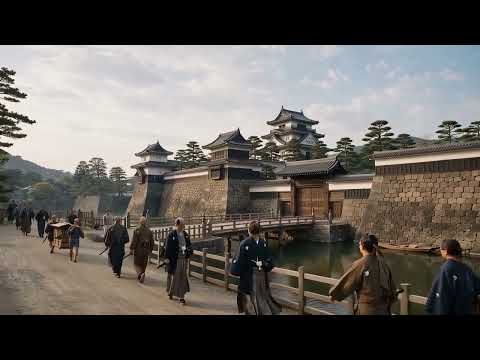
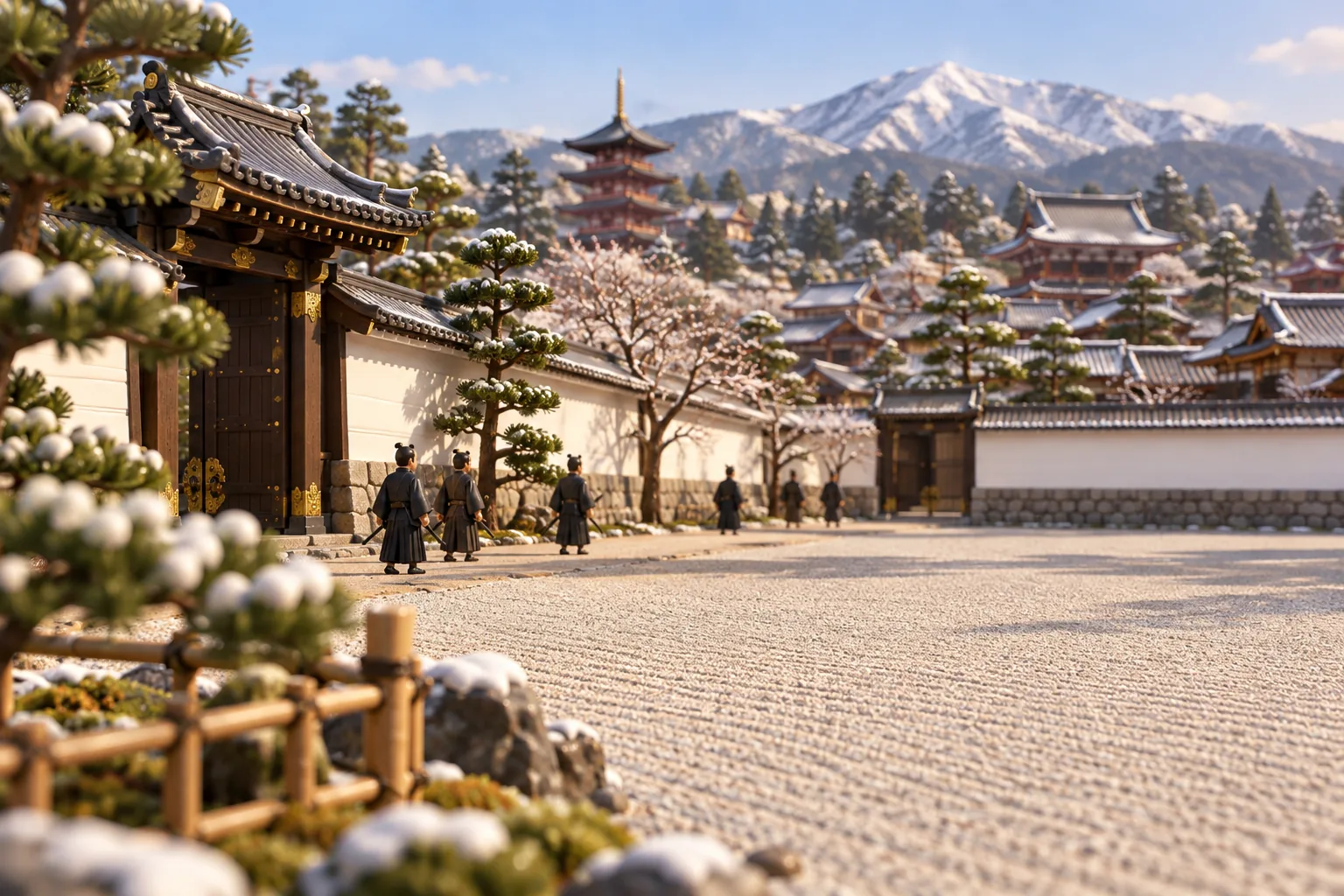
Within a few years of the restoration, Japan's samurai were no longer even allowed to walk through town wearing their swords.
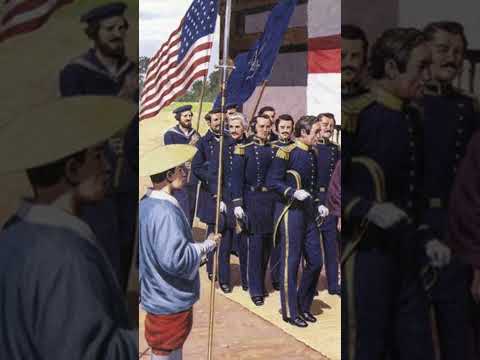
For more than two centuries the Tokugawa shoguns had ruled Japan in the emperor's name and, since 1633, kept the country closed to foreigners. Then the American Perry Expedition sailed into Tokyo Bay demanding that Japan open up, and came back with warships to force the Convention of Kanagawa in 1854. More unequal treaties followed. Many lower-ranking samurai came to believe the shogun could no longer defend the country and rallied to the emperor's call to expel the foreigners. The domains of Satsuma and Chōshū formed an alliance against the shogunate.
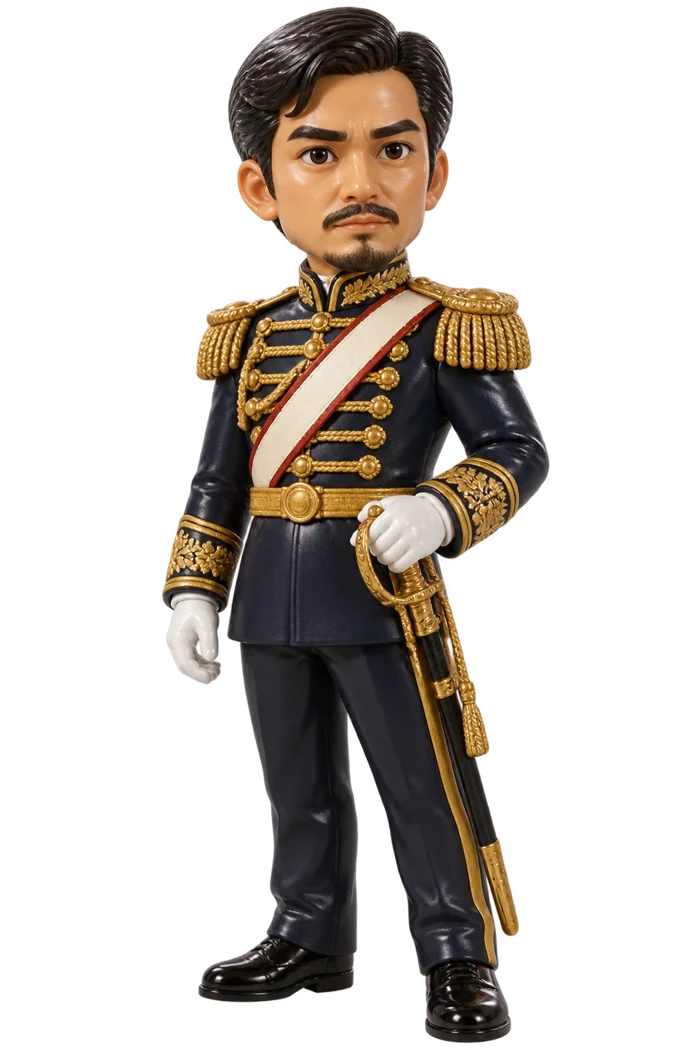
At the end of 1867 the court noble Iwakura Tomomi and the samurai Saigō Takamori and Ōkubo Toshimichi planned a coup. In the early hours of 3 January 1868 domain troops seized the Imperial Palace in Kyoto, and the young Emperor Meiji declared power restored to the imperial house. In the Charter Oath the new government promised to break with the past, enrich the country and learn from the West. Tokugawa supporters fought back in the Boshin War of 1868–1869 and lost. That September the old shogun's capital, Edo, was renamed Tokyo.
The new government swept away the domains, the old currency and the privileges of the samurai, and Japan began to industrialise at great speed. Some former samurai rebelled, most famously in the Satsuma Rebellion, but feudalism was finished. The Meiji Constitution of 1889 laid the foundations of the Empire of Japan.
Read more on Wikipedia