Antiquity · culture
First Council of Nicaea
Many people believe this council chose the books of the Bible. It did not: there is no record that it even discussed them.
Around 318 to 322 a quarrel broke out among the Christian clergy of Alexandria. Archbishop Alexander taught that Jesus, as God the Son, had always existed with the Father. A priest named Arius said the Father alone was eternal, and that the Son had been begotten by him and so had a beginning. Alexander had Arius excommunicated and exiled, but Arius found powerful supporters, among them the bishops Eusebius of Nicomedia and Eusebius of Caesarea.
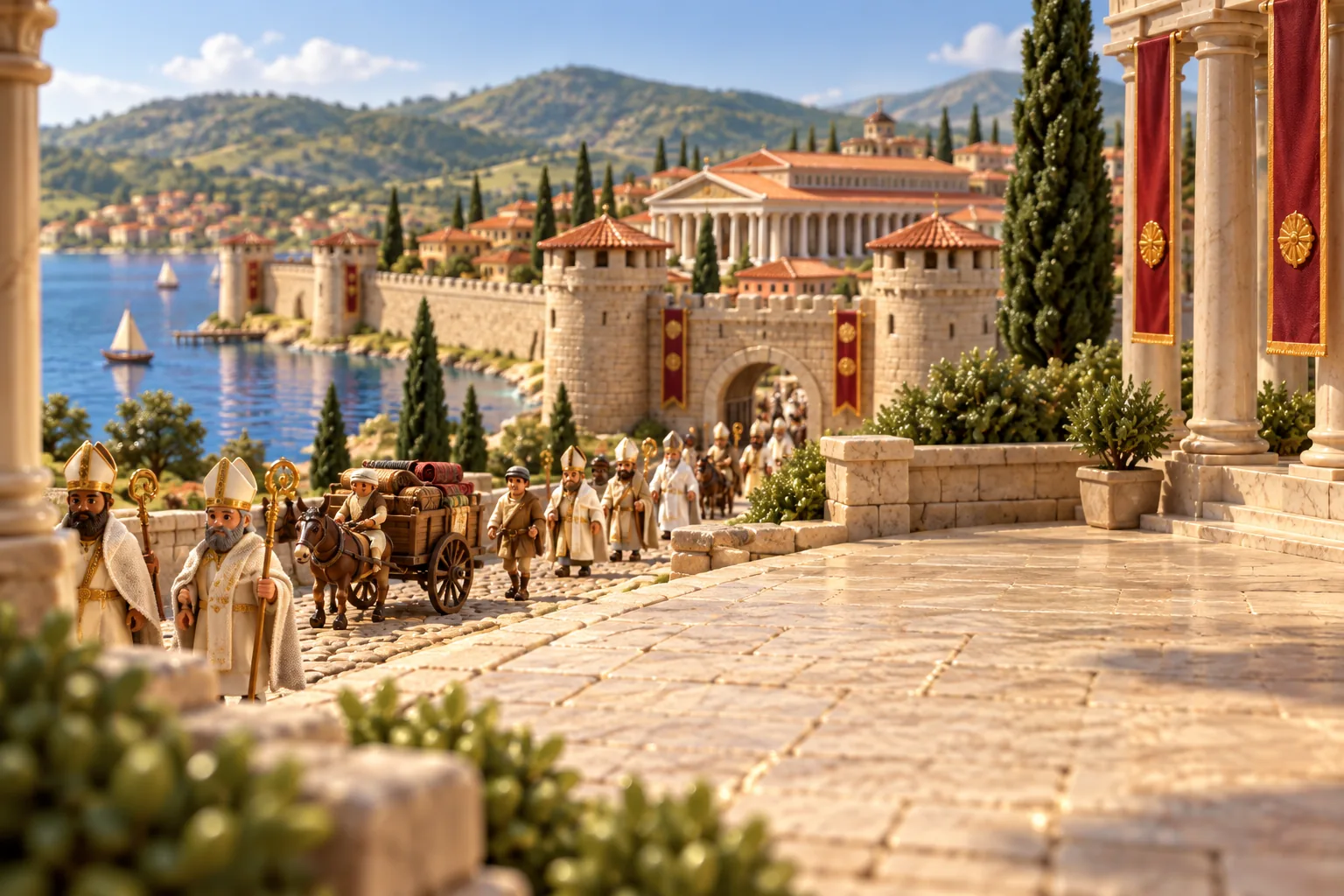
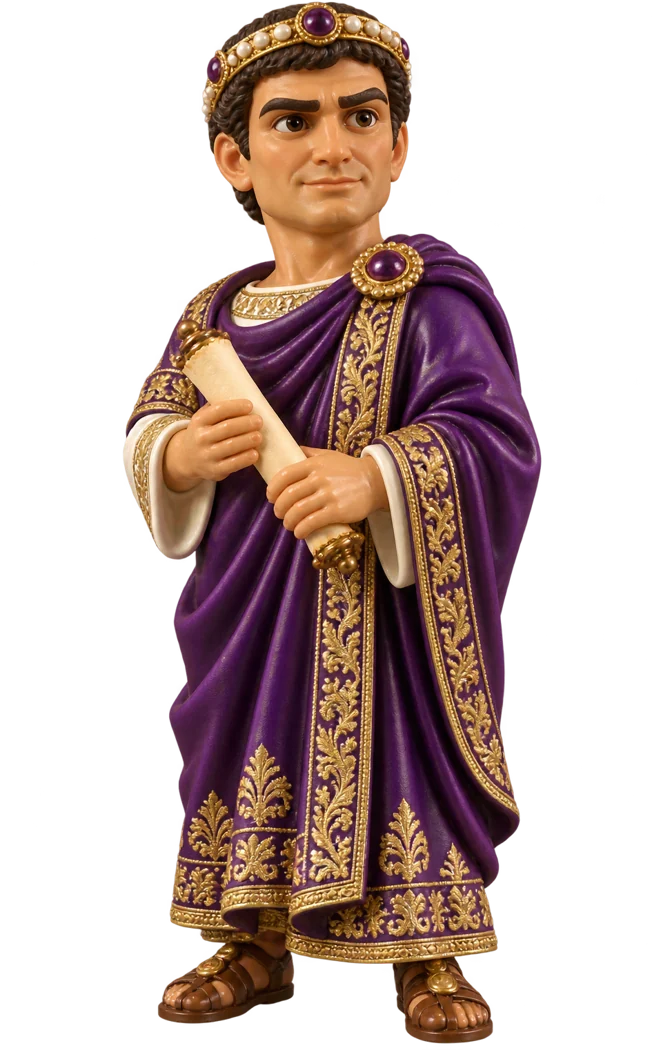
In 324 Constantine became sole ruler of the Roman Empire and wanted a united church. A council was first planned at Ancyra, but he moved it to Nicaea, close to his capital at Nicomedia, so that he could attend. It met in the imperial palace from May 325, with at least 200 bishops, almost all from the eastern half of the empire. They adopted a creed declaring the Son homoousios, "of the same substance", as the Father, a word Constantine may have insisted on. All but two bishops signed it, and Arius and the two who refused were exiled to Illyria.
The council also agreed that all churches should celebrate Easter on the same date, settled a separate schism in Egypt and issued twenty canons, early rules of church law. It closed in July, and the bishops were invited to Constantine's celebration of twenty years on the throne on 25 July. It became known as the First Ecumenical Council. Its creed became the first part of the Nicene Creed, but the quarrel over Arius went on for decades.
Read more on Wikipedia
