Industrial age · science
On the Origin of Species
Darwin sat on his idea for twenty years, until a letter from the other side of the world forced him to publish.
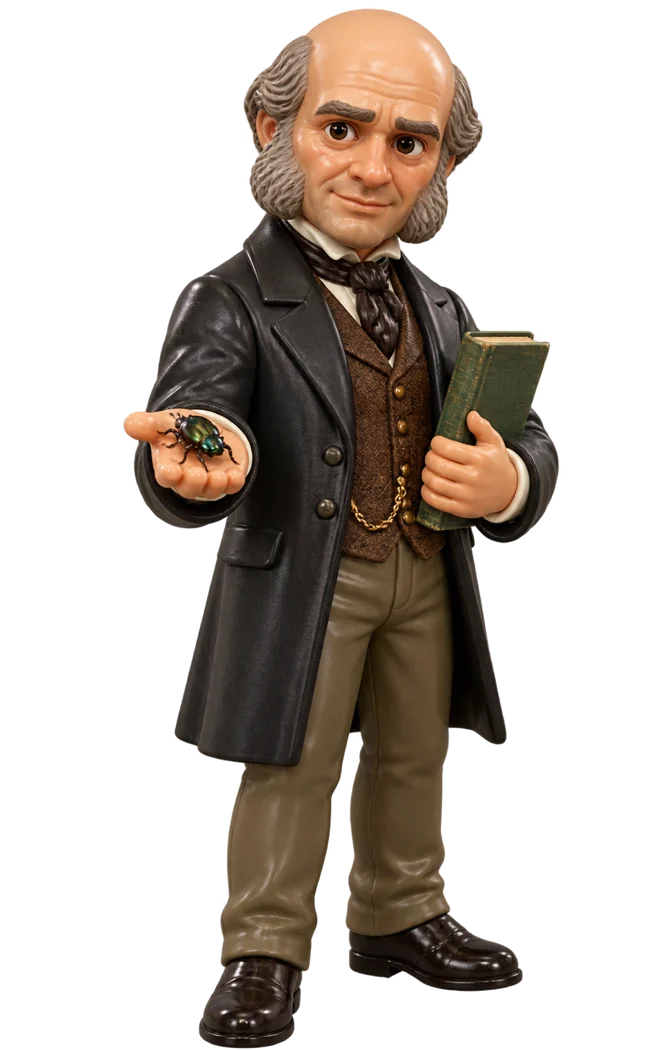
As a young naturalist on the Beagle expedition in the 1830s, Charles Darwin was struck by how living and fossil animals were spread across South America and by the tortoises and mockingbirds of the Galápagos. In 1838, reading Thomas Malthus on how populations outgrow their food, he saw a mechanism: in the struggle to survive, small inherited differences that help an animal or plant would be passed on, and over many generations species would change. He called it natural selection.
For two decades he gathered evidence, from pigeon breeding to an eight-year study of barnacles, and kept it mostly to himself. Then on 18 June 1858 a parcel arrived from Alfred Russel Wallace in the Maluku Islands describing almost the same idea. 'All my originality, whatever it may amount to, will be smashed,' Darwin wrote. Their papers were presented together, and Darwin rushed out what he called an abstract of his big book.
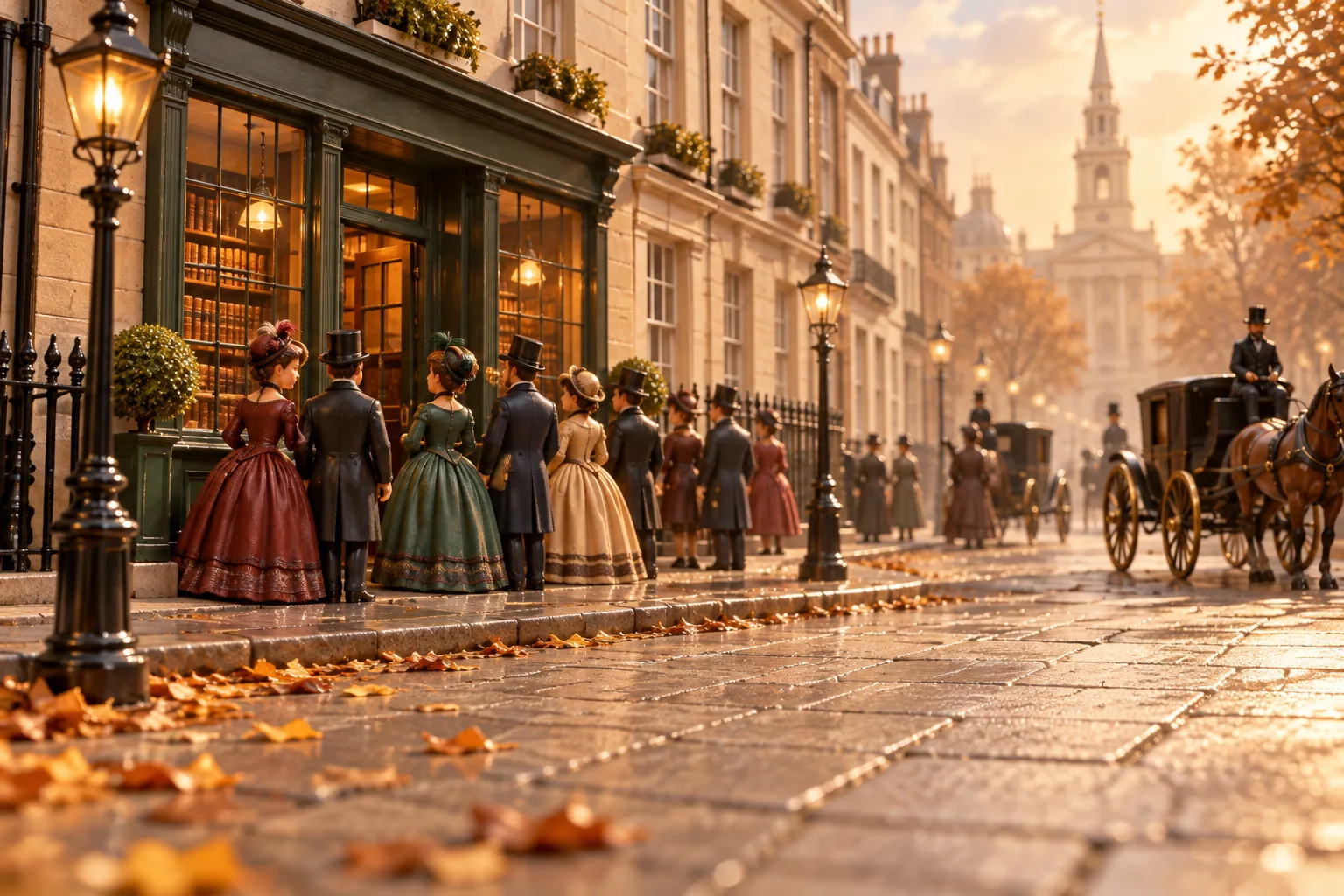
On the Origin of Species went on sale on 24 November 1859 at fifteen shillings. Written for ordinary readers, it argued that all life descends from common ancestors through a branching pattern of change. The first printing of 1,250 copies was taken up by booksellers at once. Within twenty years most scientists accepted that evolution had happened, though natural selection itself was not widely accepted as its main engine until the 1930s and 1940s.
Read more on Wikipedia