Middle Ages · politics
Peasants' Revolt of 1381
"When Adam delved and Eve span, who was then a gentleman?" the priest John Ball asked the rebel crowd outside London.
The Black Death of 1348 killed perhaps half of England's people. With workers suddenly scarce, labourers wanted higher wages and more freedom, while lords tried to hold on to serfdom. The war with France was expensive, and Parliament raised money with poll taxes; the third charged a flat 12 pence on everyone over 15, rich or poor. Many in the south-east simply refused to register. On 30 May 1381 a royal official, John Bampton, came to Brentwood in Essex to collect the unpaid tax. The people of Fobbing said they had paid already and would pay no more, the meeting turned violent, and the rising spread across Essex and Kent.
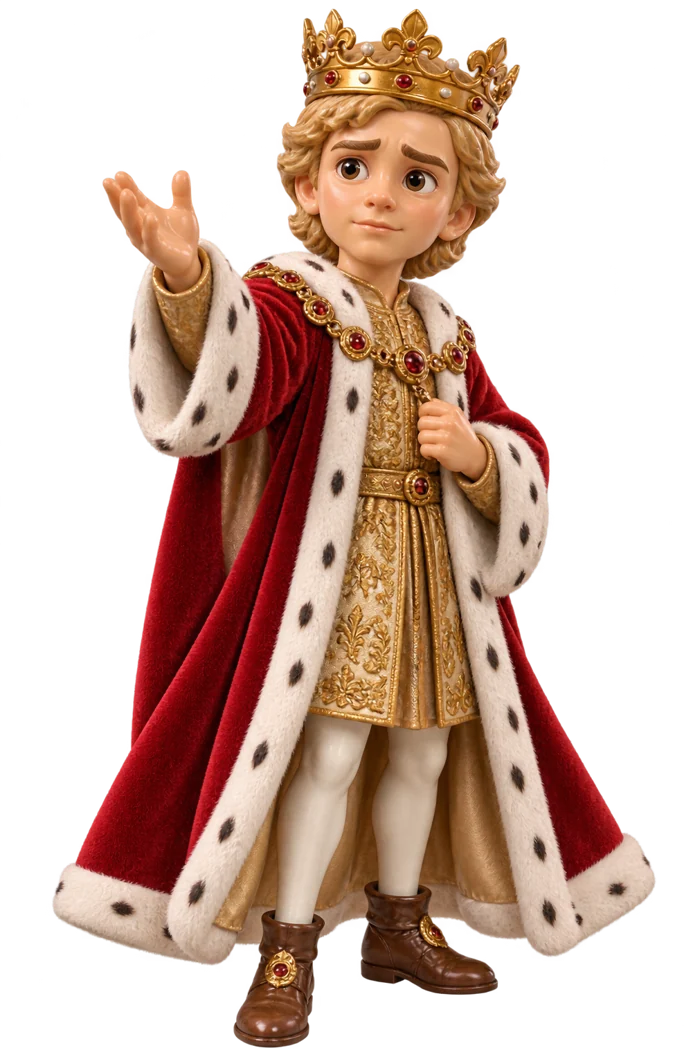
Led by Wat Tyler and stirred by the radical priest John Ball, the Kentish rebels reached Blackheath on 12 June. The next day they entered London with many townspeople, opened the prisons, burned John of Gaunt's Savoy Palace and killed Flemish immigrants. King Richard II, aged 14, sheltered in the Tower of London. On 14 June he met rebels at Mile End and agreed to most of their demands, including the end of serfdom, but meanwhile others broke into the Tower and killed the Archbishop of Canterbury, Simon Sudbury.
On 15 June Richard met Tyler at Smithfield. In a scuffle the Mayor of London, William Walworth, stabbed Tyler, who was then beheaded. The king calmed the crowd while Walworth gathered the city militia. Within weeks Richard's promises were revoked, and by November at least 1,500 rebels had been killed.
Read more on Wikipedia