Early modern · politics
American Revolution
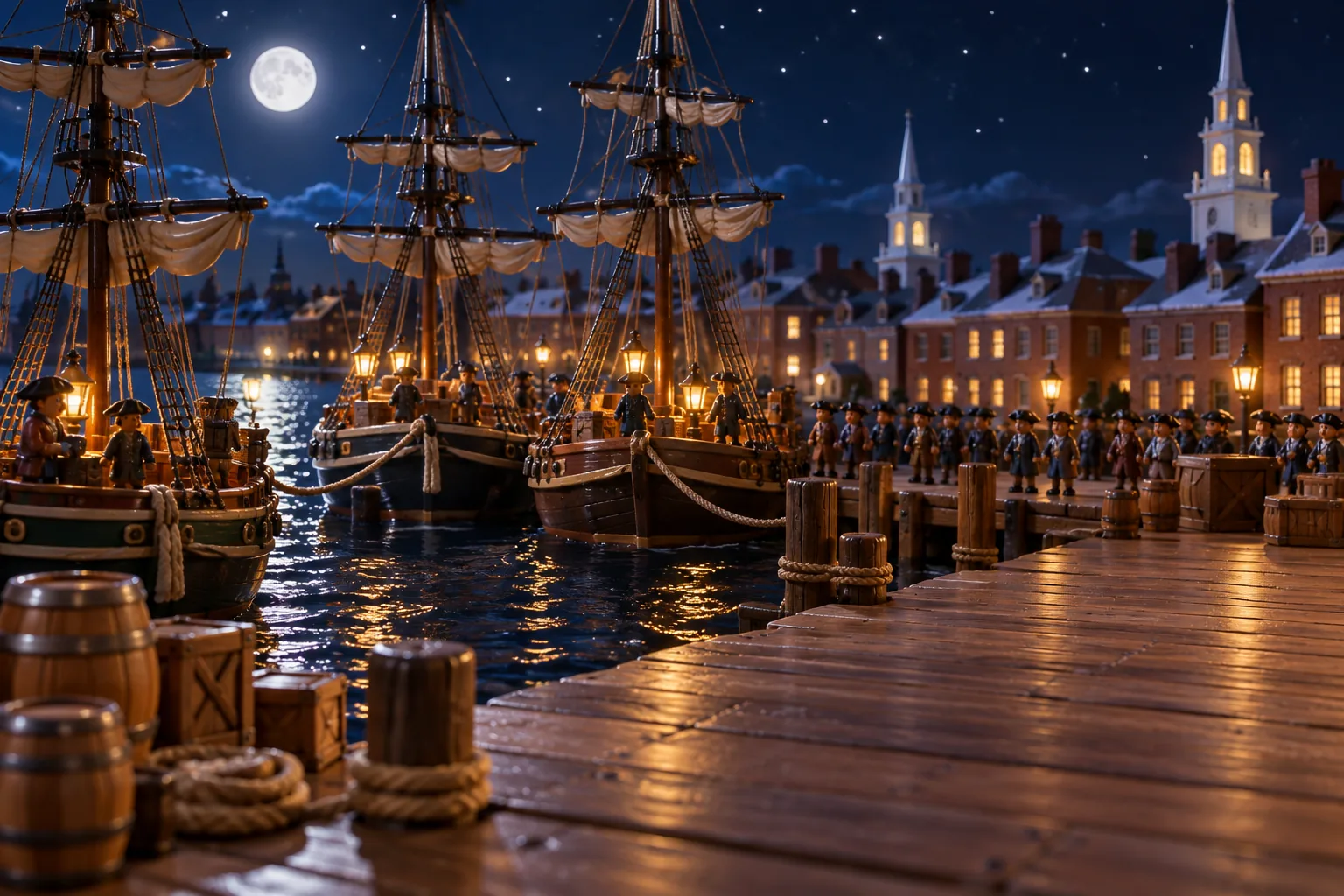
On a December night in 1773 men dressed up to look like Indigenous people climbed aboard ships in Boston and dumped £10,000 worth of tea into the harbour.
After the French and Indian War ended in 1763, the British Parliament put new taxes on its Thirteen Colonies to help pay for it. In 1765 delegates from several colonies met at the Stamp Act Congress in New York and declared that taxing them without representation violated their rights as Englishmen. Groups called the Sons of Liberty organised protests and boycotts. Britain sent troops to Massachusetts, and in 1770 soldiers killed five people in what became known as the Boston Massacre.
On 16 December 1773 a group led by Samuel Adams boarded East India Company ships in Boston and threw their taxed tea into the harbour. Parliament struck back with the Intolerable Acts, which closed the port of Boston until the tea was paid for and tried to end self-government in Massachusetts. Instead they pushed the colonies together. Twelve of them sent delegates to the First Continental Congress in 1774, and in April 1775 fighting broke out at Lexington and Concord.
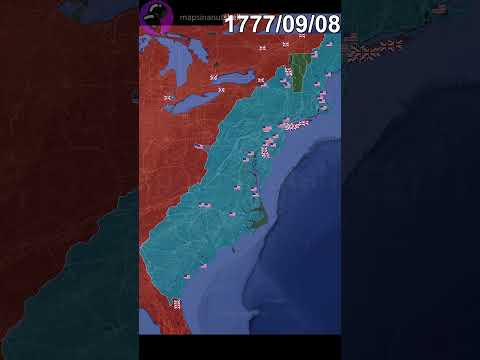
The Second Continental Congress created the Continental Army under George Washington, and on 4 July 1776 it adopted the Declaration of Independence, founded on "inalienable rights". After the victory at Yorktown in 1781, Britain recognised American independence in the Treaty of Paris of 1783. The Constitution of the United States took effect in 1789, with Washington as the first president, and the Bill of Rights followed in 1791.
Read more on Wikipedia