Middle Ages · war
Third Crusade
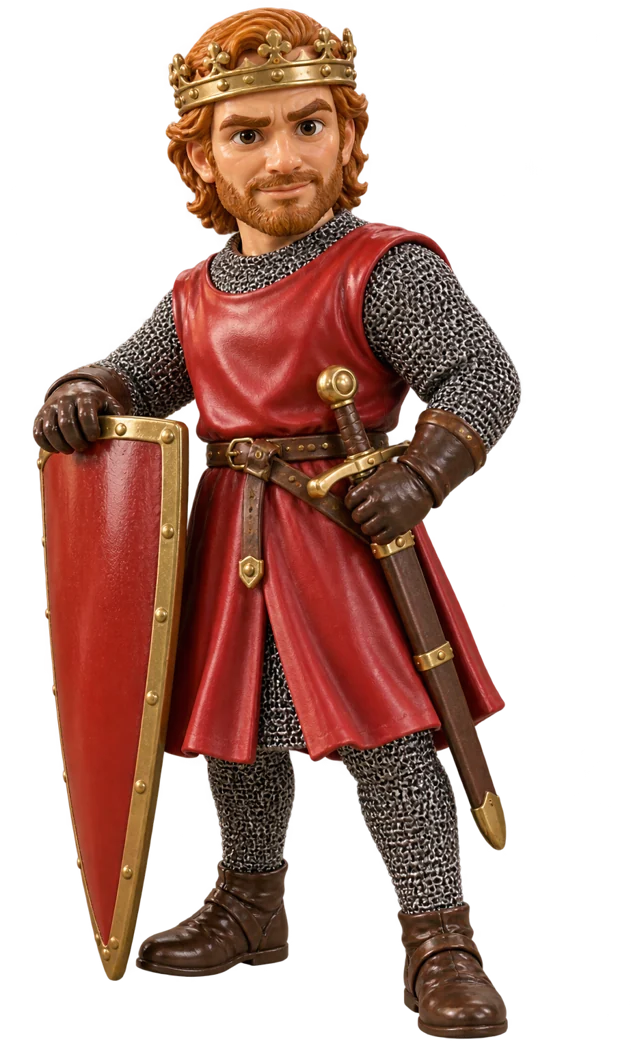
Richard the Lionheart and Saladin fought each other for a year, swapped gifts and envoys, and never once met face to face.
In 1187 the Ayyubid sultan Saladin, who had united Egypt and Syria, captured Jerusalem from the crusaders. Europe answered with what became known as the Kings' Crusade. Henry II of England and Philip II of France stopped fighting each other and raised a "Saladin tithe", a 10% tax, to pay for it; when Henry died in July 1189, his son Richard I took his place. Emperor Frederick Barbarossa, then in his mid-60s, led a large German army through the Balkans and Anatolia, but on 10 June 1190 his horse slipped while crossing the Saleph River and he drowned. Most of his troops went home.
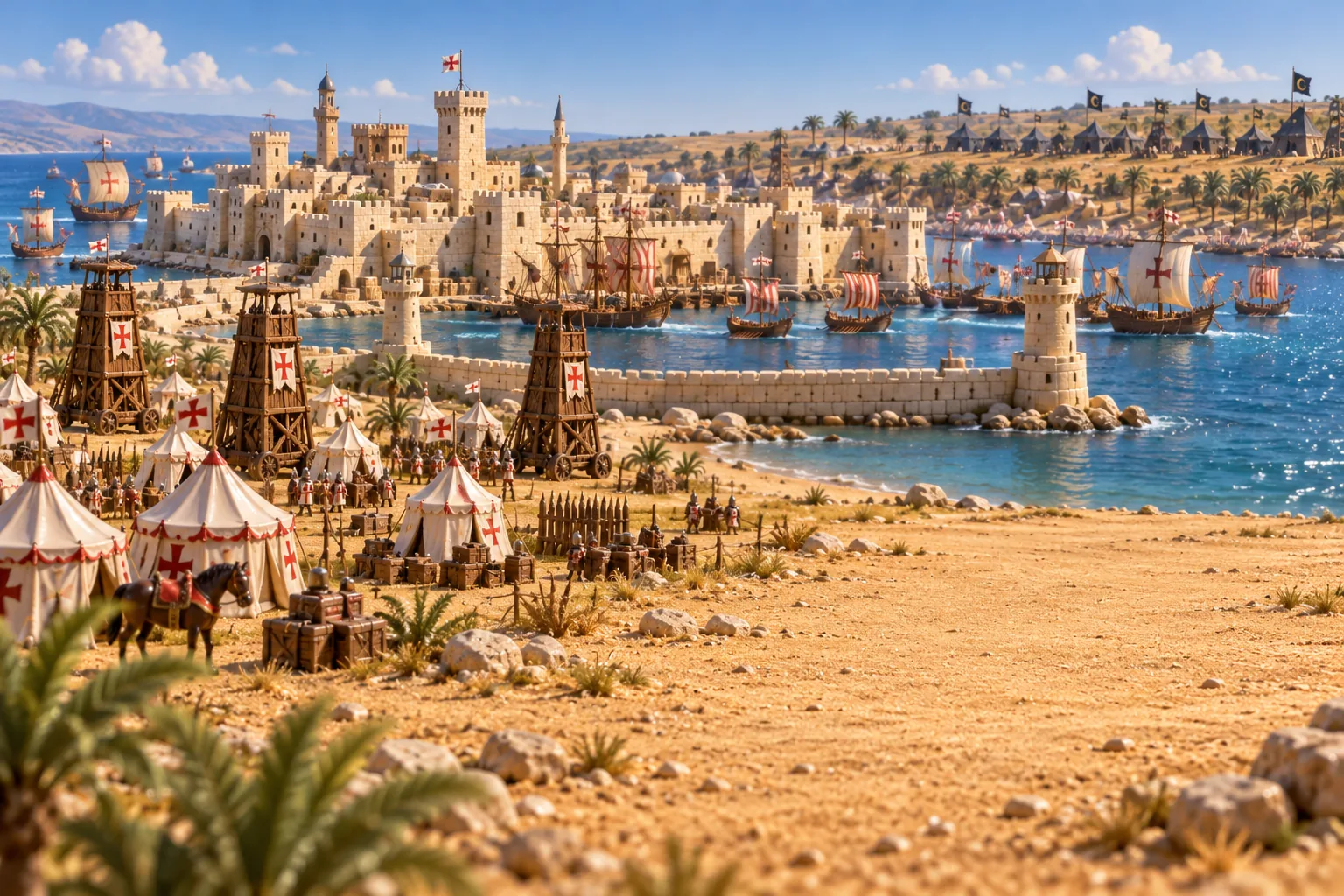
Crusaders had been besieging the port of Acre since 1189, while Saladin's army besieged them in turn. Philip arrived in May 1191 and Richard on 8 June, and the city fell on 12 July. Philip soon sailed home. When Saladin was slow to meet the surrender terms, Richard had 2,700 Muslim prisoners beheaded. On 7 September 1191 Richard beat Saladin at Arsuf and took Jaffa.
Just after Christmas 1191 Richard's army came within 12 miles of Jerusalem, but cold, heavy rain and the fear of being trapped by a relief army made him turn back. On 2 September 1192 he and Saladin agreed the Treaty of Jaffa: Jerusalem stayed in Muslim hands, but unarmed Christian pilgrims and merchants could visit it. On the way home Richard was seized by Leopold V of Austria, whom he had insulted at Acre, and was freed only for a ransom of 150,000 marks.
Read more on Wikipedia
Sources: en.wikipedia.org/wiki/Third Crusade


