Antiquity · war
Battle of Gaugamela
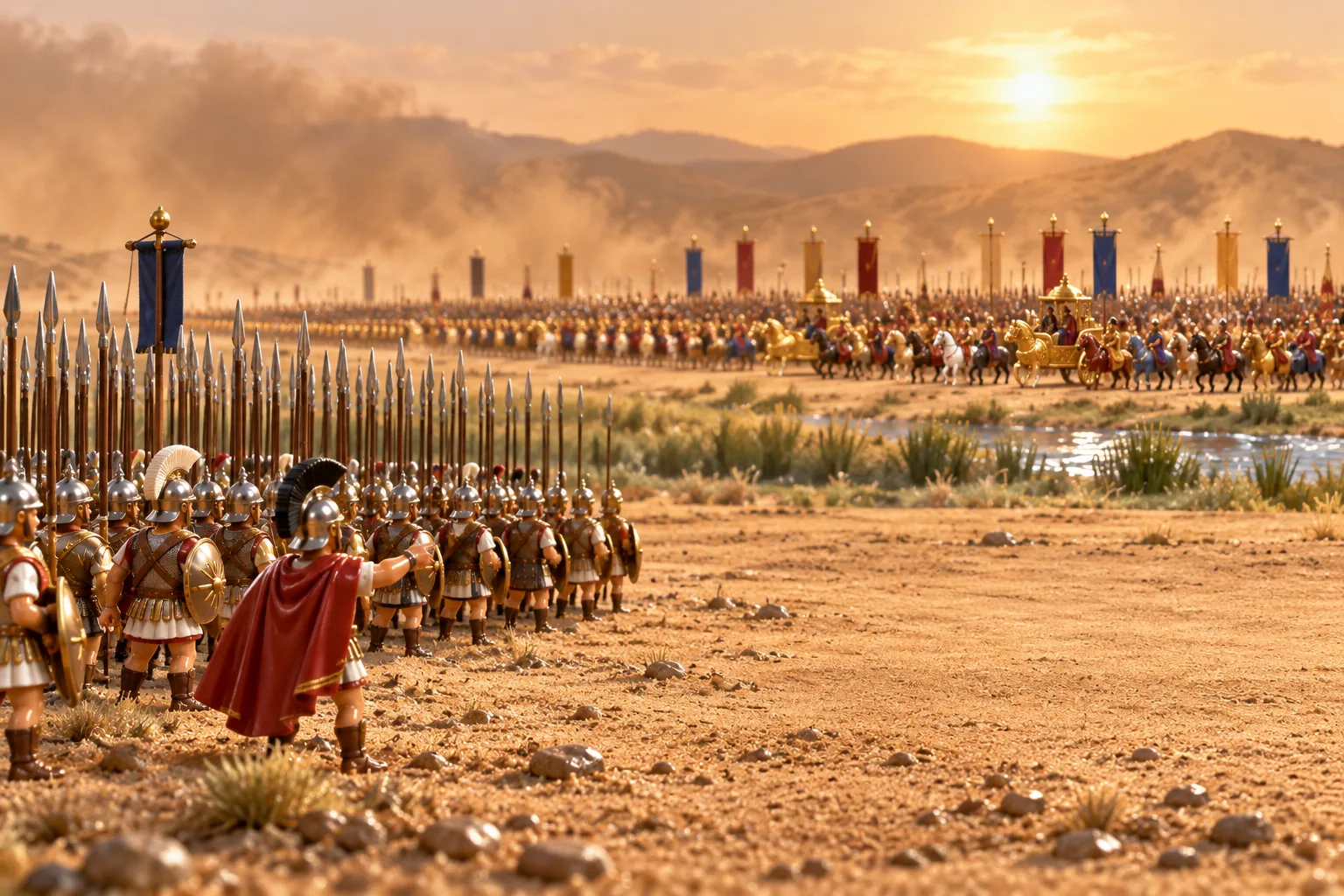
The Persian king had the battlefield levelled flat for his scythed chariots, and the Macedonians simply opened their ranks and let the chariots run through.
After losing the Battle of Issus in 333 BC, Darius III saw his mother, wife and daughters taken prisoner by Alexander. He offered peace three times, finally all the land west of the Euphrates, a daughter in marriage and 30,000 talents of silver. When the old general Parmenion said he would accept if he were Alexander, Alexander answered, "So should I, if I were Parmenion," and insisted there could be only one king of Asia. Darius gathered a vast army near the village of Gaugamela, north of Arbela, and had the plain cleared and levelled for his chariots.
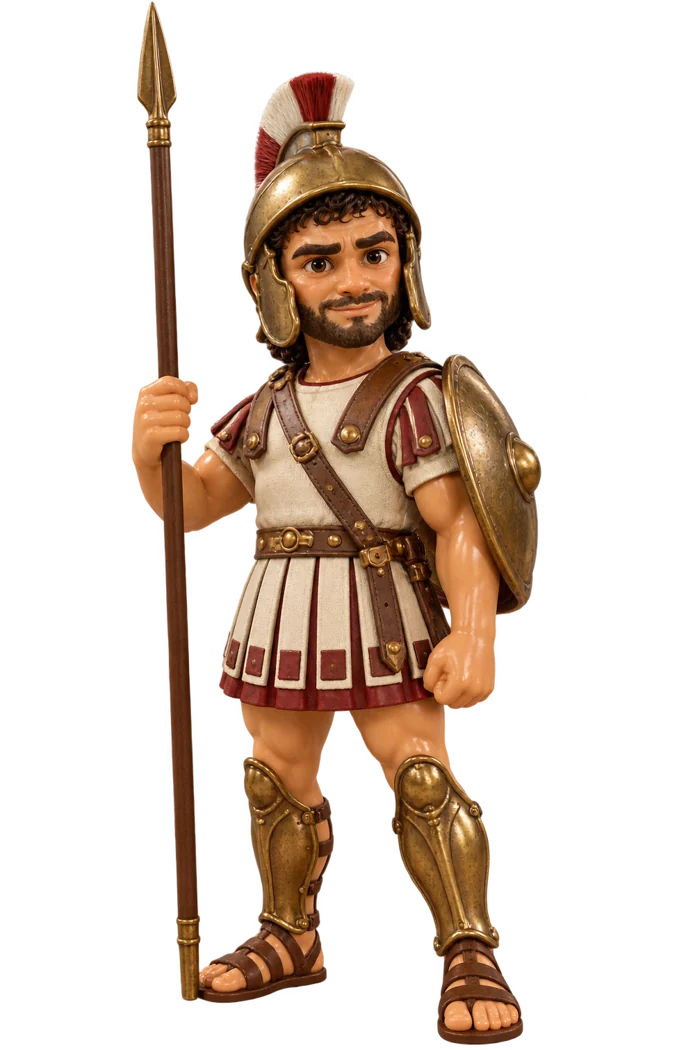
Ancient writers gave the Persians up to a million men, figures modern scholars dismiss as absurdly high; Arrian gives Alexander 7,000 cavalry and 40,000 infantry. His phalanx carried the sarissa, a six-metre pike. Alexander led his Companion cavalry far out to the right, drawing Persian horsemen after him. Darius sent his scythed chariots in, but javelin men shot many down, and the Macedonian lines opened alleys so the rest passed harmlessly. When a gap opened in the Persian line, Alexander formed his horsemen into a great wedge and charged straight at the centre, where Darius stood, and the king fled.
Babylon surrendered soon after. The next year Darius was murdered by his own satrap Bessus, and Alexander gave him a royal burial at Persepolis. The Achaemenid Empire was finished.
Read more on Wikipedia


