
Industrial age · science
New York City Subway
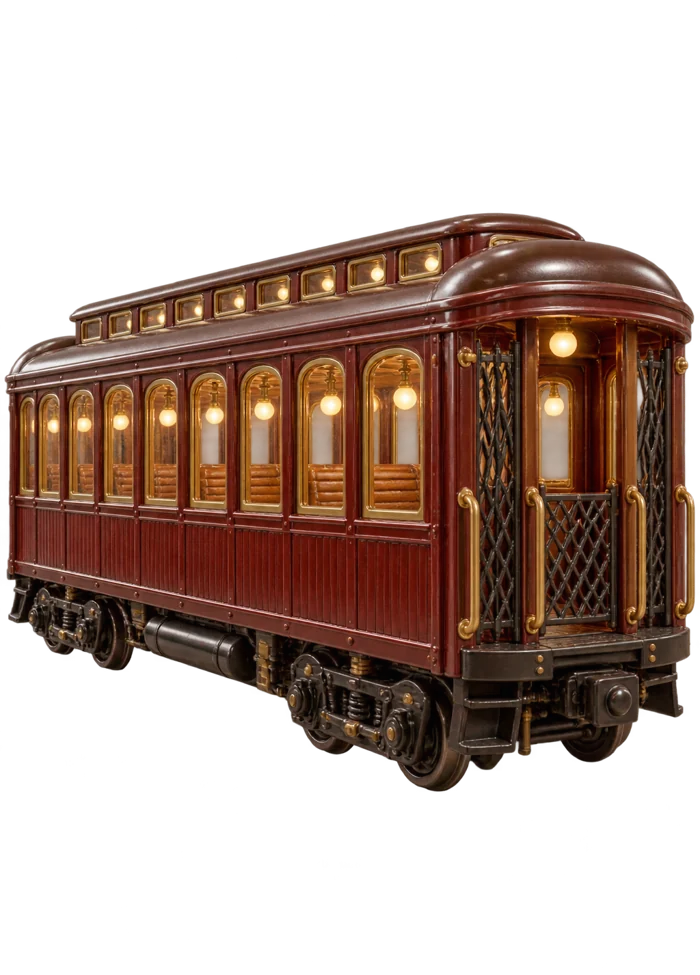
Thirty-four years before the first subway opened, an inventor ran a single car pushed by air through a one-block tunnel under Broadway.
In February 1870 the inventor Alfred Ely Beach opened a short demonstration line under Broadway in Lower Manhattan, between Warren Street and Murray Street. His Beach Pneumatic Transit pushed a car through the tunnel with air, but it was never extended, for political and financial reasons. New York instead built elevated railways on iron stilts above the streets. The Great Blizzard of 1888, which buried the city in snow, showed the value of trains running underground, and a plan for a subway was approved in 1894. Construction began in 1900.
The first underground line opened on 27 October 1904. Run by the Interborough Rapid Transit Company, it started at City Hall station, ran north under Elm Street and Fourth Avenue, turned west at 42nd Street, curved north again at Times Square and followed Broadway to 145th Street in Harlem. More than 150,000 passengers paid the five-cent fare on the first day.
Two private companies, the IRT and the Brooklyn Rapid Transit Company, soon ran most of the network, and in 1932 the city opened its own Independent Subway System to compete. In 1940 the city bought the private lines and merged them. The subway runs around the clock every day of the year and has more stations than any other metro system in the world.
Read more on Wikipedia