Our time · war
Yugoslav Wars
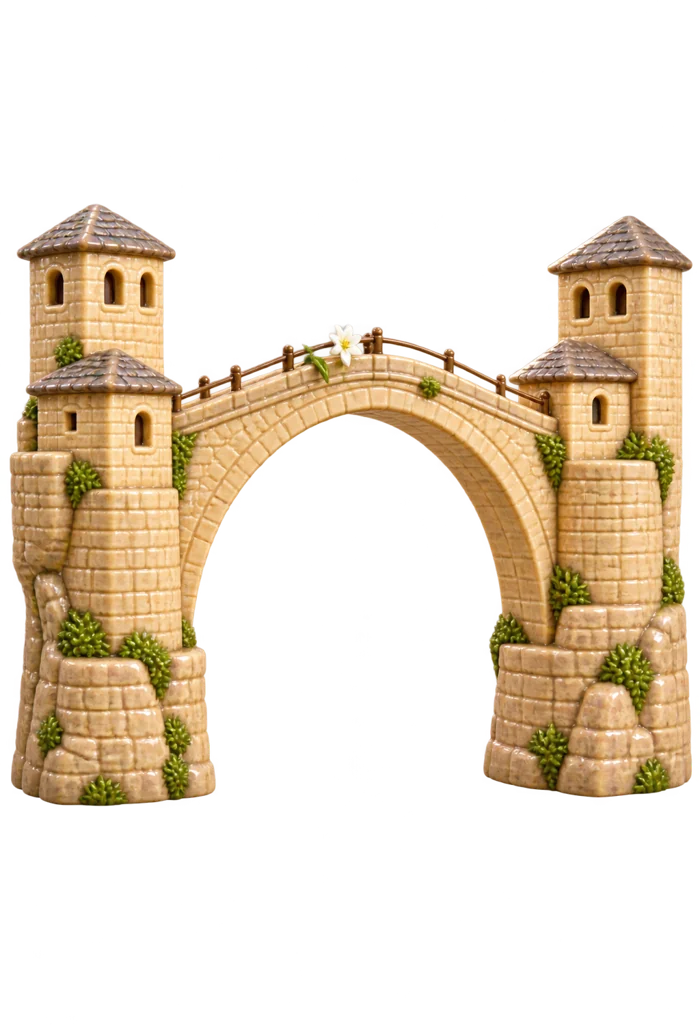
The Old Bridge of Mostar had stood for more than four centuries when it was destroyed in 1993; it became a symbol of everything the wars broke.
Socialist Yugoslavia was a federation of six republics: Slovenia, Croatia, Bosnia and Herzegovina, Serbia, Montenegro and Macedonia. As communism weakened, nationalism rose. Slobodan Milošević's government in Serbia used Serbian nationalism as a new ideology, and the Yugoslav People's Army became a force of Serbs and Montenegrins only. Slovenia declared independence on 25 June 1991, and the next day the army began the Ten-Day War there.
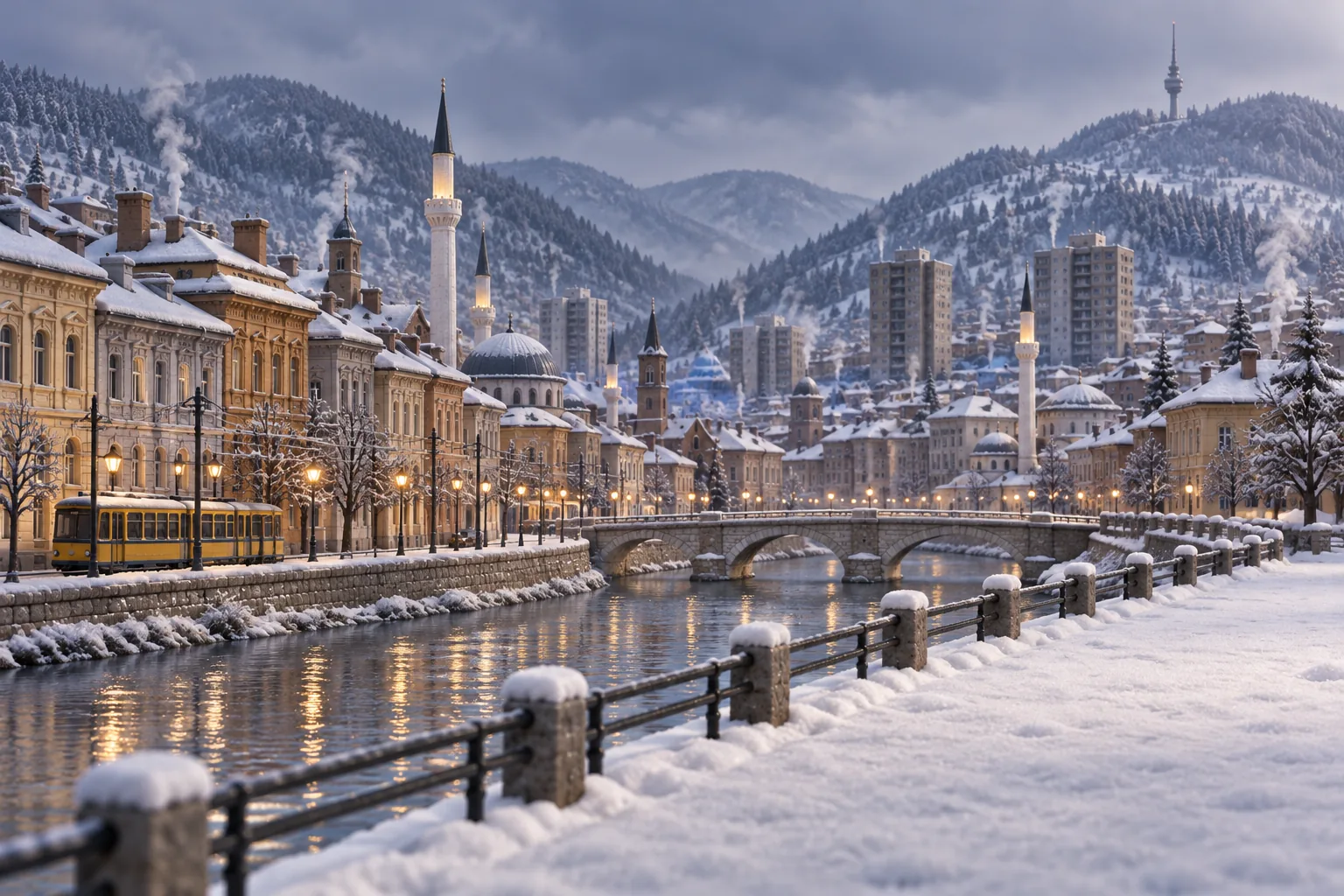
In Croatia the war was longer. In August 1991 the Battle of Vukovar began, and Serb forces fought to carve out territory where many Serbs lived. In Bosnia the Siege of Sarajevo began in April 1992, after the republic declared independence, and lasted for years. Bosnia saw the bloodiest fighting of all, and in July 1995 Bosnian Serb forces carried out the Srebrenica massacre of Bosniak men and boys, later ruled a genocide. That summer Croatia's Operation Storm retook its lost lands, and the Dayton Agreement of 14 December 1995 ended the Bosnian war.
Fighting returned in Kosovo in 1998–1999, then in the Preševo Valley and in Macedonia, where an insurgency ended in 2001. According to the International Center for Transitional Justice, 140,000 people died in the wars, and the conflicts caused huge refugee crises. The UN set up the International Criminal Tribunal for the former Yugoslavia in The Hague to try war crimes.
Read more on Wikipedia
Sources: en.wikipedia.org/wiki/Yugoslav Wars