Industrial age · war
Chinese Civil War
Of up to 100,000 people who set out on the Long March, only around 7,000 to 8,000 reached the end.
After the fall of the Qing dynasty, China was split among warlords. In 1926–1927 the Kuomintang (KMT), the Nationalist party, and the Chinese Communist Party (CCP) fought together in the Northern Expedition to unite it. Then the alliance broke apart: in April 1927 the Nationalists turned on the Communists in Shanghai, the massacre the CCP calls the 12 April Incident. On 1 August 1927 the Communists rose in revolt at Nanchang, and the civil war began.
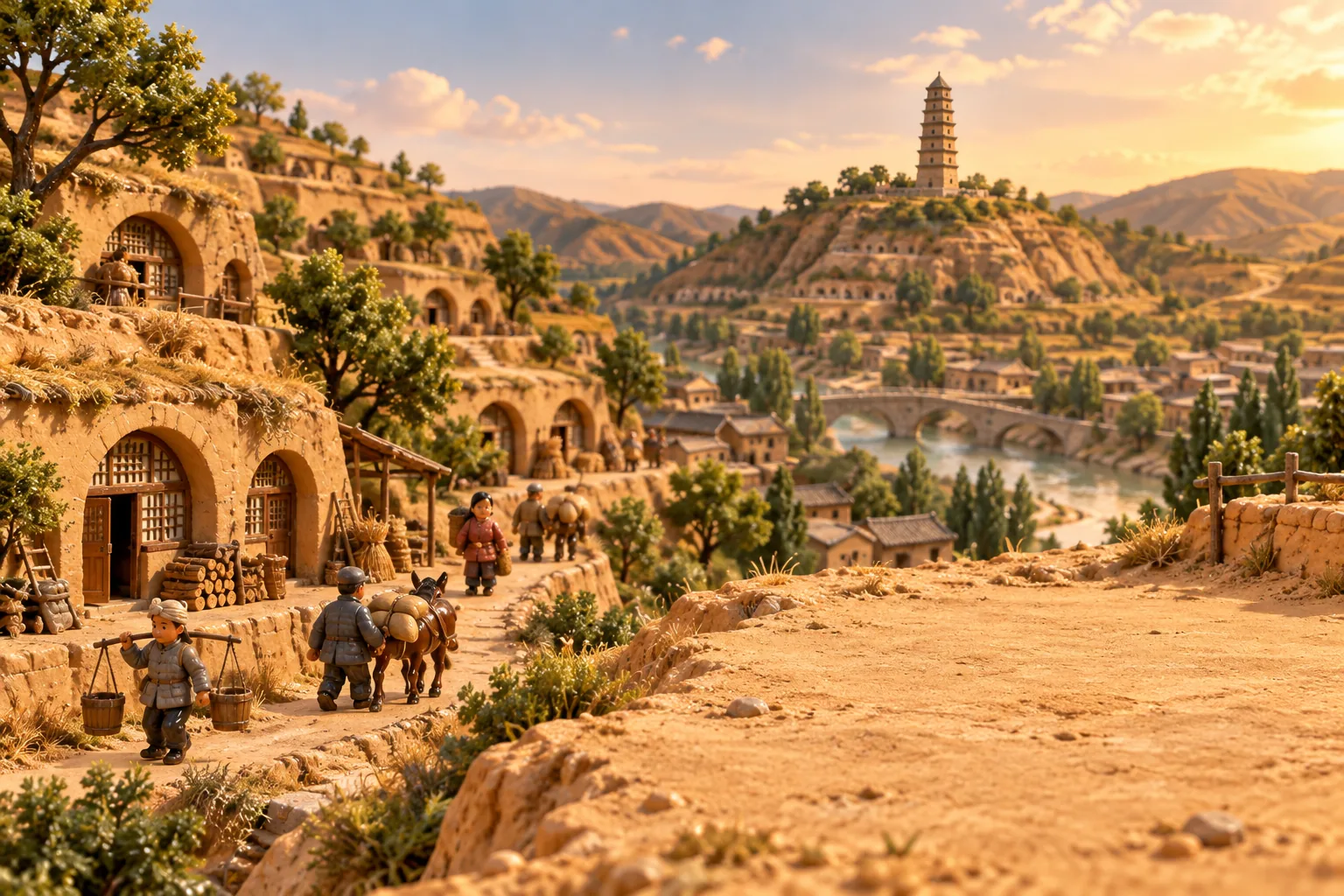
Chiang Kai-shek's government surrounded the Communist bases in the south. In October 1934 the Communists broke out and began the Long March, a year-long retreat to the north-west that Mao Zedong put at 12,500 kilometres. Few survived it, and the remote town of Yan'an became the Communist capital. From 1937 the two sides formed a second united front against the Japanese invasion, although clashes never stopped.
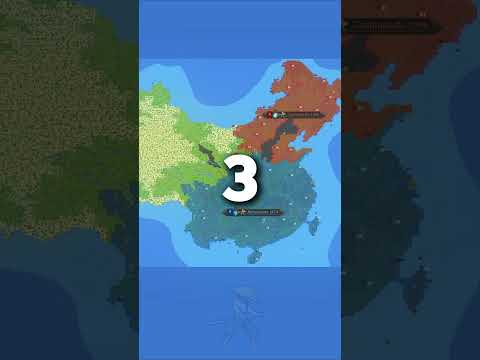
When Japan was defeated in 1945, the war resumed. The Communists drew on huge peasant manpower and captured Japanese weapons, and from 1948 to 1949 they won three great campaigns: Liaoshen in the north-east, Huaihai in the east and Pingjin around Beijing and Tianjin. On 1 October 1949 Mao proclaimed the People's Republic of China, and on 7 December the Nationalist government retreated to Taiwan. No armistice or peace treaty has ever been signed.
Read more on Wikipedia