Our time · war
Falklands War
Neither country ever declared war, yet in ten weeks 907 people died over a group of windswept islands in the South Atlantic.
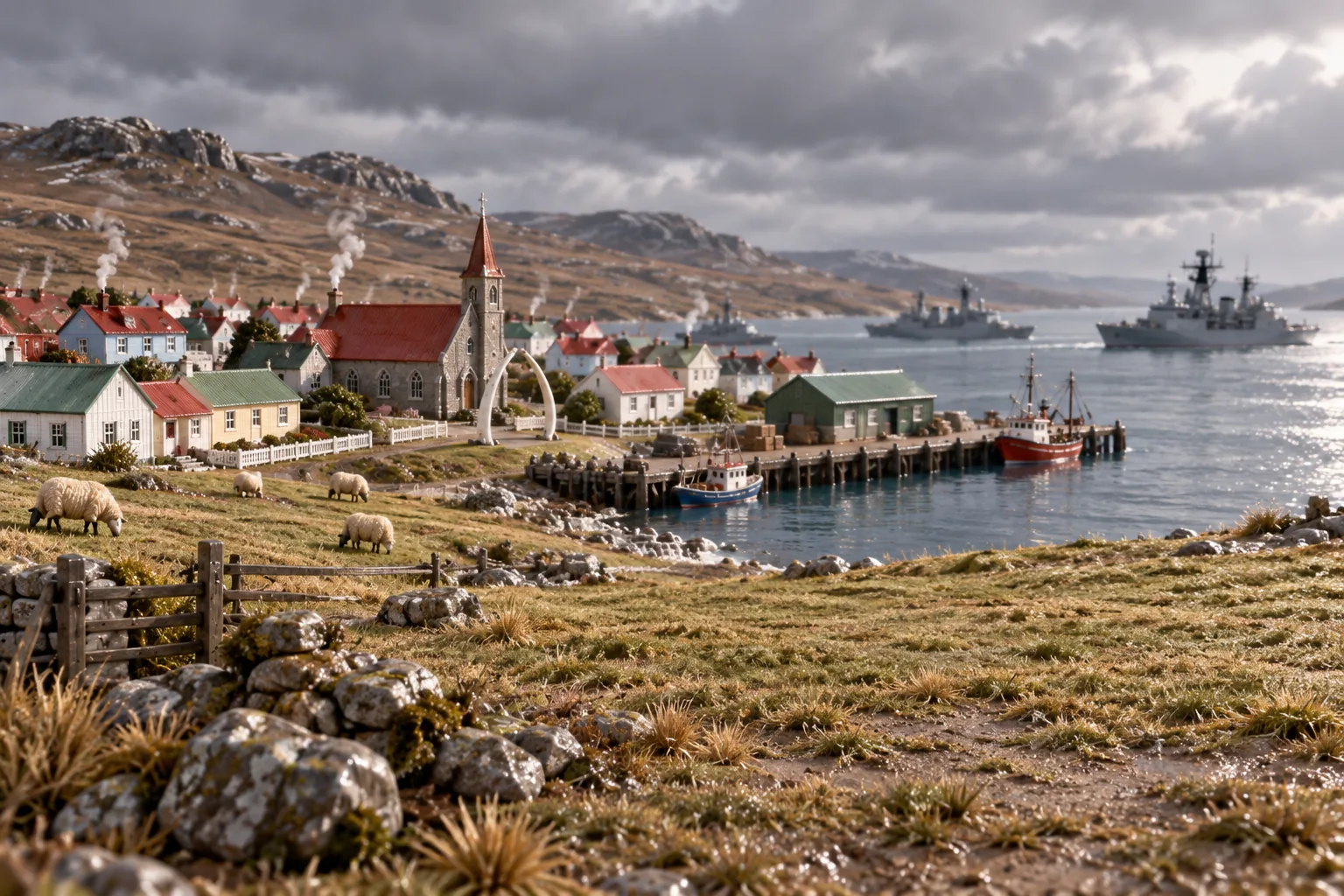
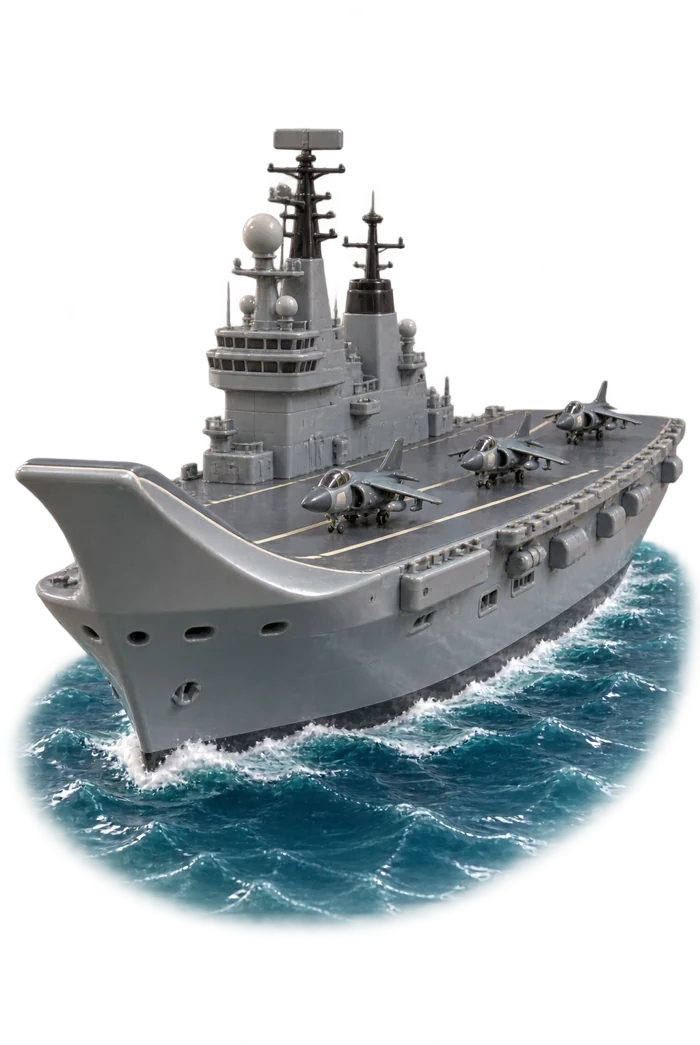
The Falkland Islands, a British Crown colony since 1841, lie off the coast of Argentina, which calls them the Islas Malvinas and claims them as its own. The islanders are mostly descendants of British settlers. In December 1981 a new military junta under General Leopoldo Galtieri took power in Argentina, and on 2 April 1982 Argentine forces invaded the islands, taking South Georgia the next day. On 5 April Margaret Thatcher's government sent a naval task force to win them back.
On 1 May the British struck Stanley airfield with Vulcan bombers in the first of the Black Buck raids. On 2 May the submarine HMS Conqueror sank the Argentine cruiser General Belgrano; 321 crew and two civilians on board died. Two days later an Exocet missile set the destroyer HMS Sheffield on fire, and she was lost. On the night of 21 May British troops landed at San Carlos Water, in a sound the sailors called "Bomb Alley", where Argentine air attacks sank HMS Ardent and HMS Antelope.
The troops fought their way across East Falkland towards Stanley. After the battles for the mountains around the town, including Mount Tumbledown, the Argentine garrison surrendered on 14 June. In all 649 Argentine servicemen, 255 British servicemen and three Falkland Islanders were killed. In 1983 Argentina returned to democratic government in its first free general election since 1973.
Read more on Wikipedia
Sources: en.wikipedia.org/wiki/Falklands War