
Our time · culture
Video game crash of 1983
In September 1983 Atari quietly drove truckloads of unsold game cartridges into the New Mexico desert and buried them in a landfill.
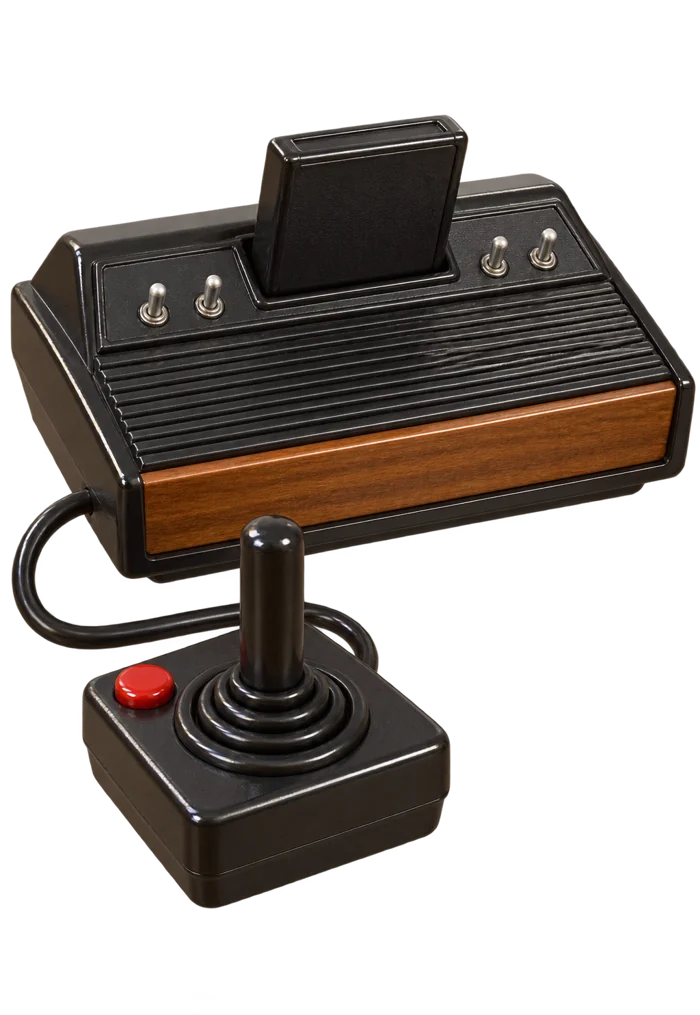
In the early 1980s video games were America's hottest toy. The Atari VCS, launched in 1977 and renamed the Atari 2600 in 1982, took off in 1980 when its home version of Space Invaders arrived: sales of the console quadrupled. Rivals such as Intellivision and ColecoVision followed. After four Atari programmers left in 1979 to found Activision, the first outside game maker, dozens of new firms rushed in. In June 1982 there were about 100 games for the Atari console; by December there were more than 400, many of them rushed and poor.
In 1983 the market broke. Makers had built far more than people wanted: a Goldman Sachs analyst said demand was up 100 percent but output 175 percent. Cheap home computers such as the Commodore 64 could play games and do much more, and buyers turned to them. By mid-1983 Atari had lost US$356 million and laid off 30 percent of its 10,000 workers. In September it buried unsold stock, including Pac-Man and E.T. the Extra-Terrestrial cartridges, in a landfill near Alamogordo, New Mexico. In July 1984 Warner Communications sold Atari's consumer business to Jack Tramiel.
Home video game sales fell from about $3.2 billion to around $100 million in 1985. The rescue came from Japan. Nintendo launched its Famicom in North America as the Nintendo Entertainment System in October 1985, sold as a 'control deck' with 'Game Paks' and a toy robot called R.O.B., because shops now distrusted video games. By 1988 American sales passed $2.3 billion, 70 percent of them Nintendo's.
Read more on Wikipedia

