Industrial age · war
War of the Pacific
It started over a tax of ten cents and left Bolivia, to this day, without a sea coast.
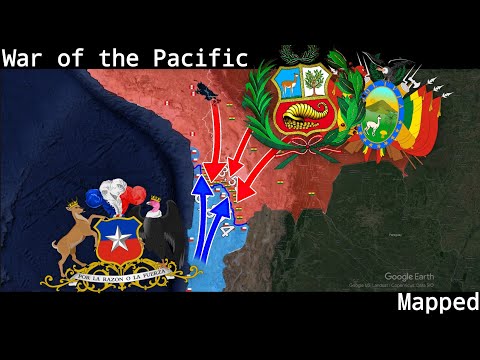
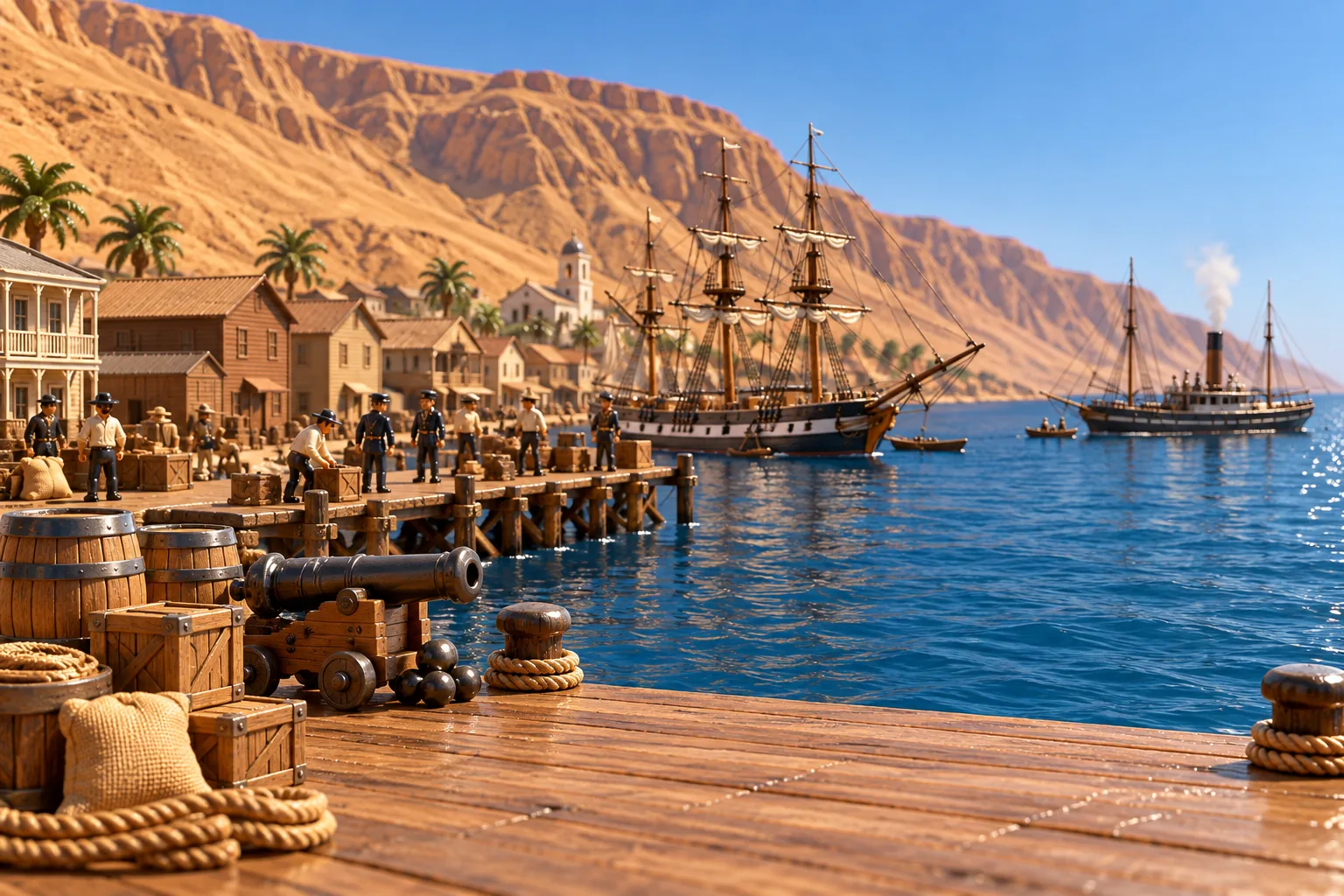
The Atacama Desert, the driest in the world, was rich in guano and nitrate, valuable as fertiliser and for explosives, and a Chilean company mined nitrate on Bolivia's coast. A treaty of 1874 forbade Bolivia from raising taxes on mining, but in February 1878 President Hilarión Daza's government added a tax of ten centavos on a Chilean nitrate company. Chile protested and asked for arbitration; Daza instead seized the company's assets and put them up for auction. On 14 February 1879, the day of the auction, Chilean troops occupied the Bolivian port of Antofagasta, mostly peopled by Chilean miners. Bolivia declared war on 1 March, and Peru, bound to Bolivia by a secret alliance, was at war with Chile from 5 April.
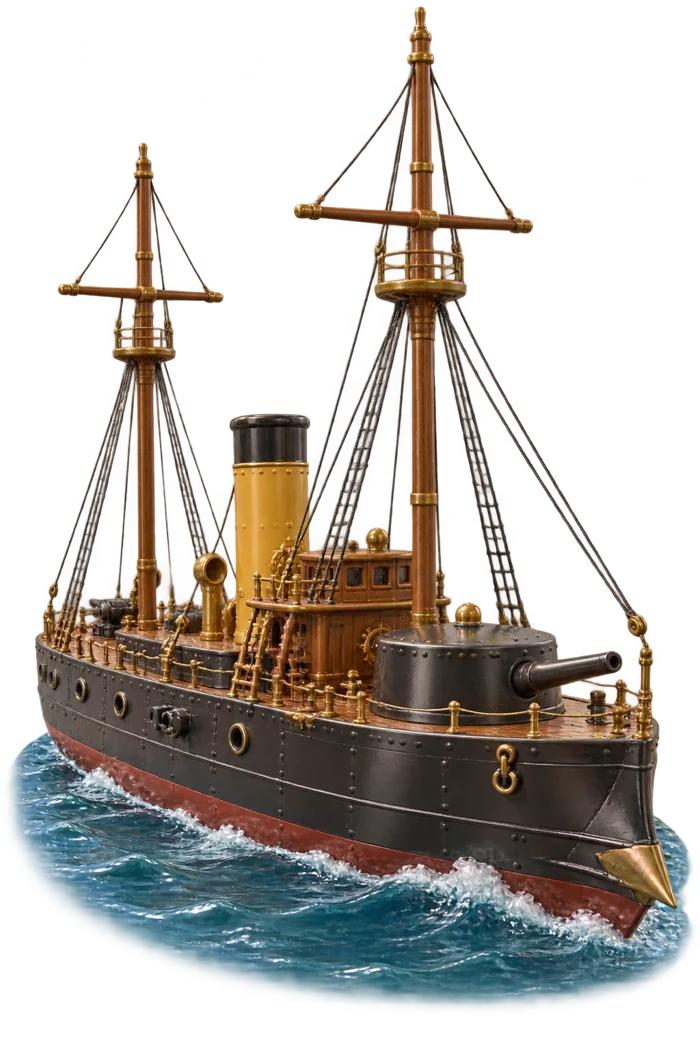
For five months the war was fought at sea. On 21 May 1879 at Iquique the Peruvian ironclad Huáscar sank the wooden Chilean corvette Esmeralda, whose captain Arturo Prat died with his crew, but the same day Peru lost its ironclad Independencia on a rock. The Huáscar held off the Chilean fleet for months until it was captured at Angamos on 8 October 1879. With the sea in its hands, Chile's army beat the allies across the desert. Bolivia withdrew after the Battle of Tacna on 26 May 1880, and Chilean troops occupied Lima in January 1881.
Peruvian guerrillas fought on in the mountains, but on 20 October 1883 Peru signed the Treaty of Ancón, and Bolivia agreed a truce in 1884. Chile gained Tarapacá and Bolivia's coastal province, and Bolivia became landlocked.
Read more on Wikipedia